
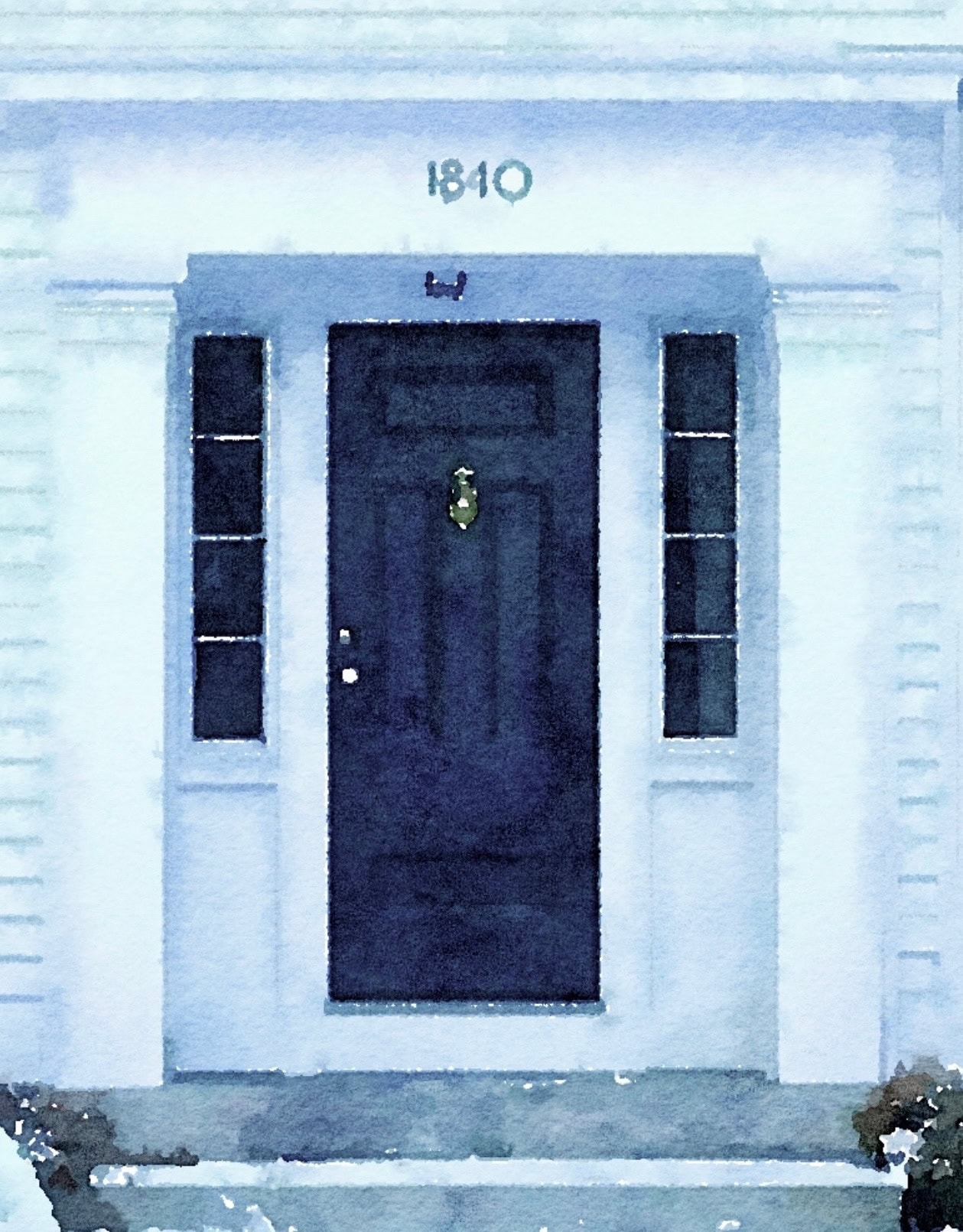
Built in 1840 in Roxbury, Connecticut
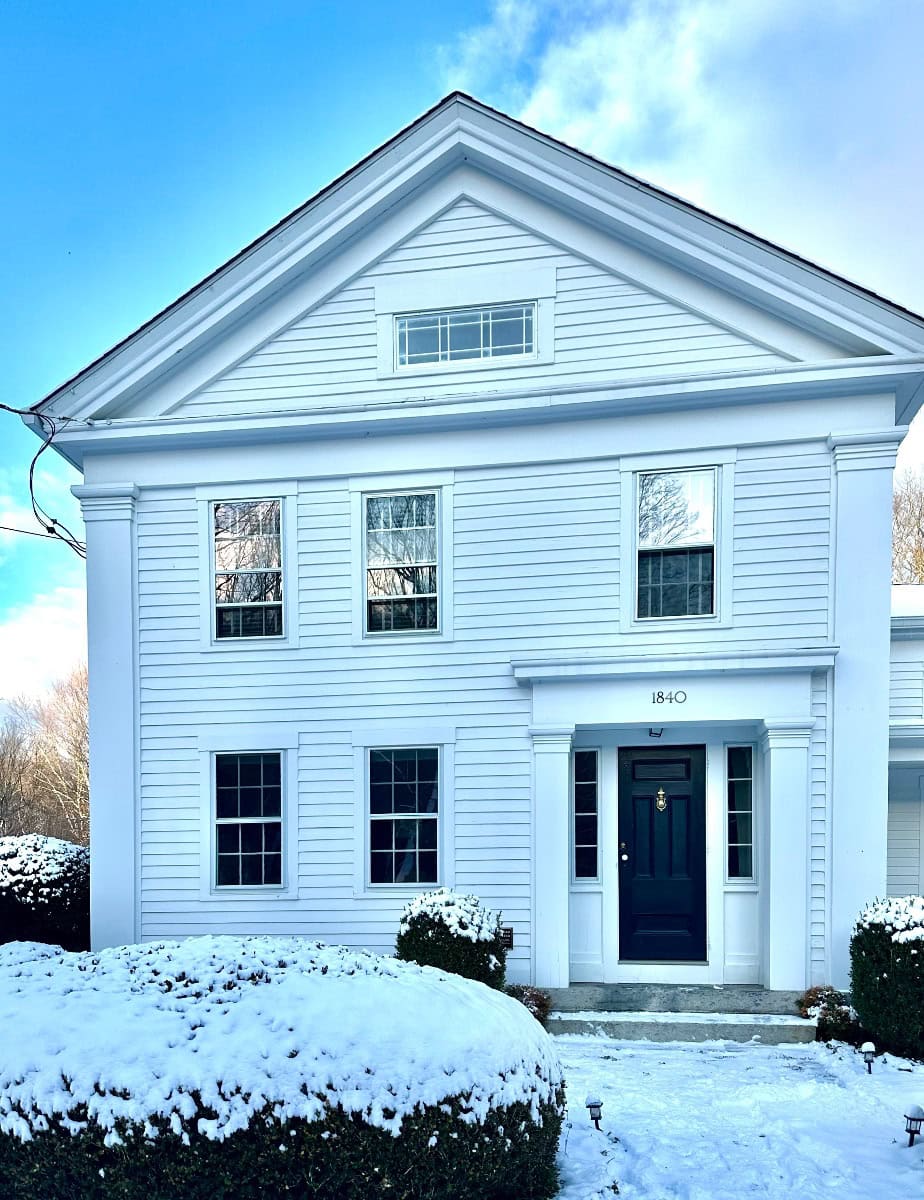
When I first glimpsed the Greek Revival farmhouse in 2014, I knew immediately:
This was the calling I’d been preparing for my entire life.
My journey with historic preservation began fifty years ago, when I watched the Pabst Mansion in Milwaukee nearly become a parking garage. That moment changed everything. I’ve spent the decades since living intentionally within America’s historic places—from painting nineteenth-century facades in South Milwaukee to founding the Madison Trust for Historic Preservation, from years in historic Boston and Providence, RI, for two decades in Greenwich Village, and then for over a dozen years in the Brooklyn Heights Historic District.
What makes 148 Good Hill Road extraordinary isn’t just its Greek Revival architecture, though the eight-acre setting and original structure are wonderful. It’s the secret history that unfolded as I began restoring it. The home was owned by artist David Hare from 1940 to 1950, when it became a haven for surrealist artists exiled from Europe—a place where Alexander Calder, Marcel Duchamp, Arshile Gorky, Jackson Pollock, Peggy Guggenheim, and André Breton spent time within the walls. Hare’s family connections to art ran deep: his mother was one of the funders of the legendary 1913 Armory Exhibition; his uncle co-designed MoMA; and his cousin, artist Kay Sage, was married to Yves Tanguy and lived nearby.
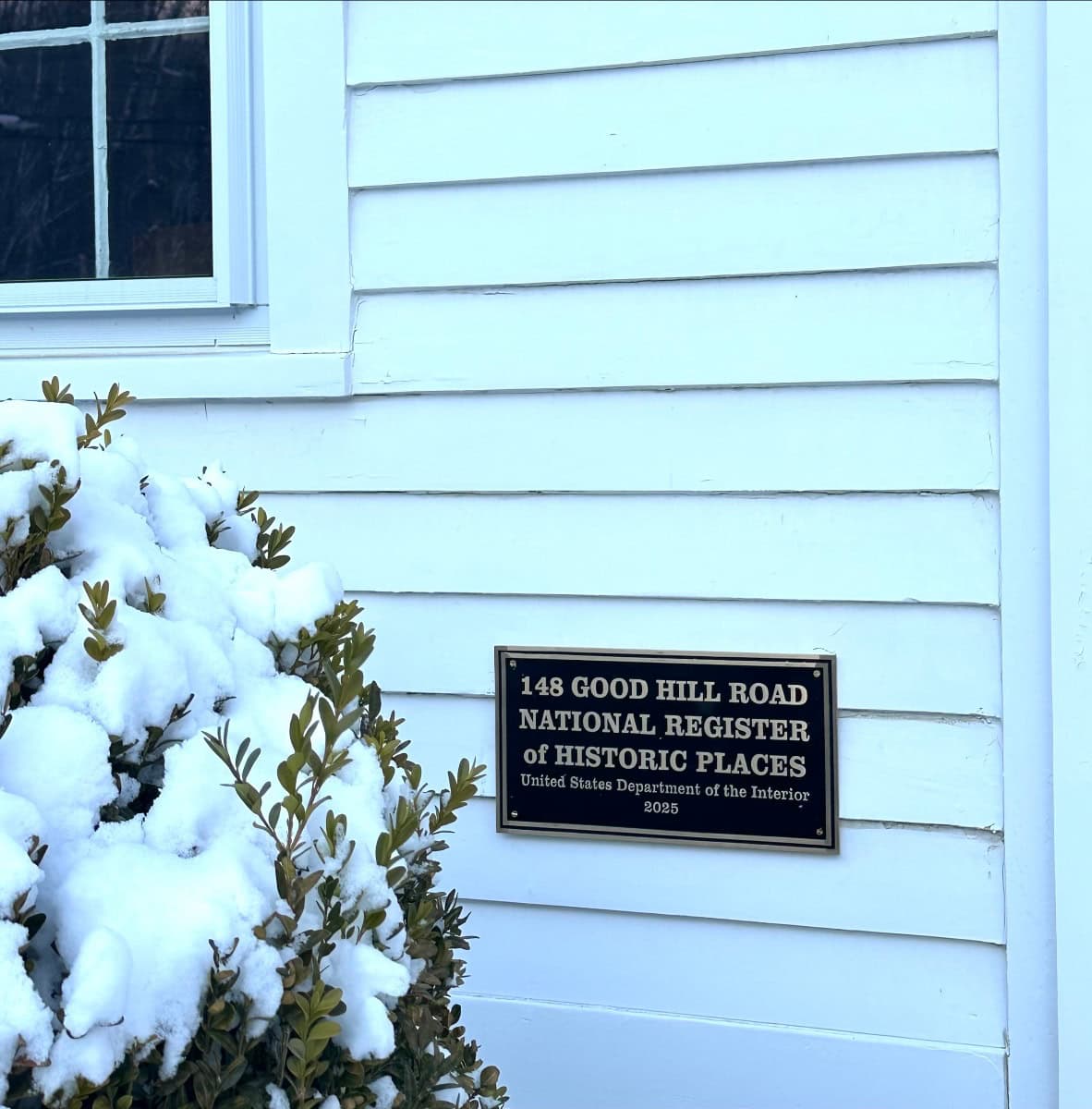
After a two-year process working with the team at Preservation Connecticut, this house—with all its history, artistic significance, and role in my lifelong preservation mission—has been officially recognized by the United States Department of the Interior. It’s now listed on the National Register of Historic Places.
I am very proud of my house, the remarkable history I discovered, and that I am helping to preserve.
This house called me, and I answered!
Whether you’re celebrating in a historic home or a modern space, the real treasure is the people and memories we gather within them.
Wishing you lovely moments this holiday season,
from all of us at Glenn Gissler Design.