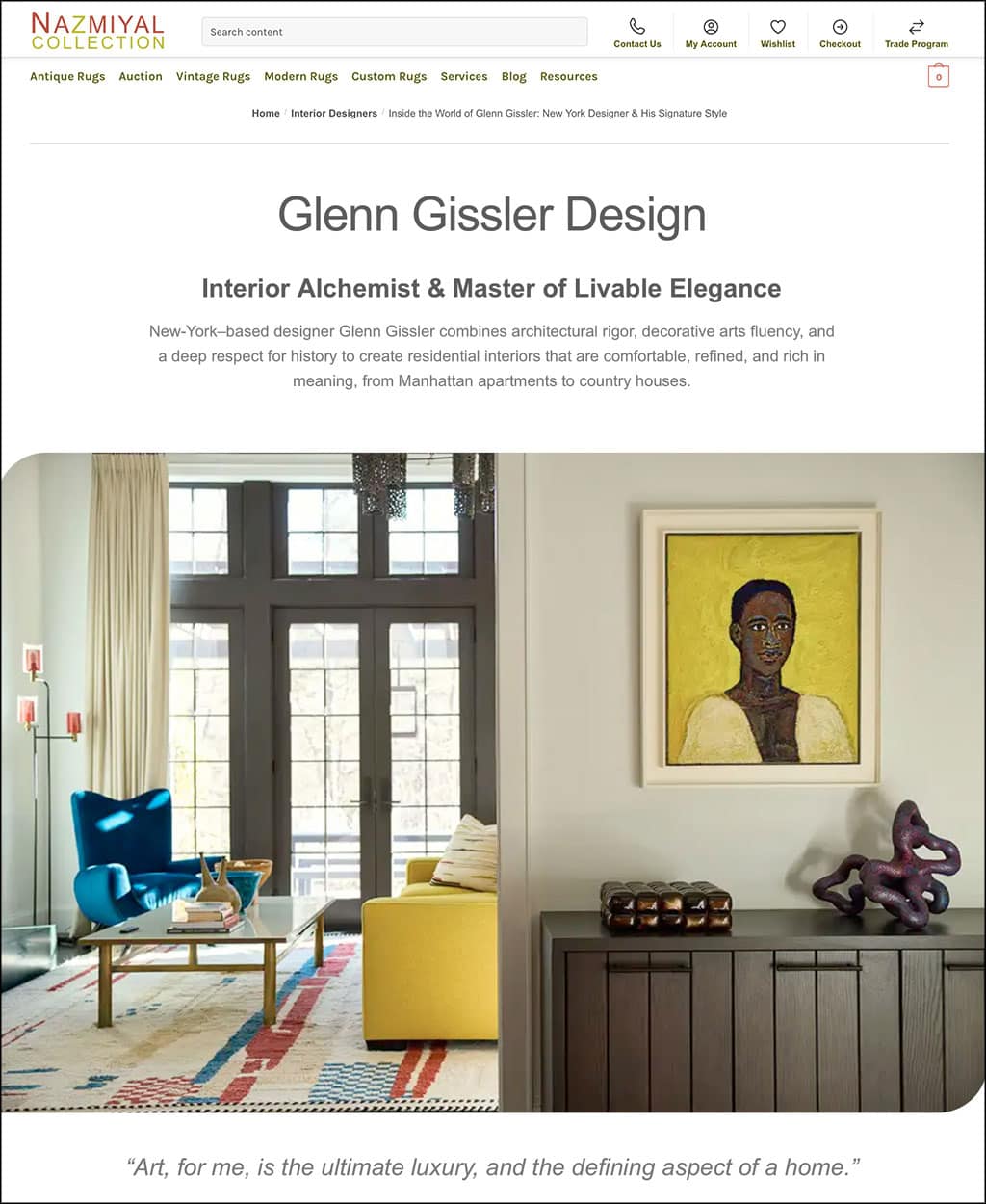
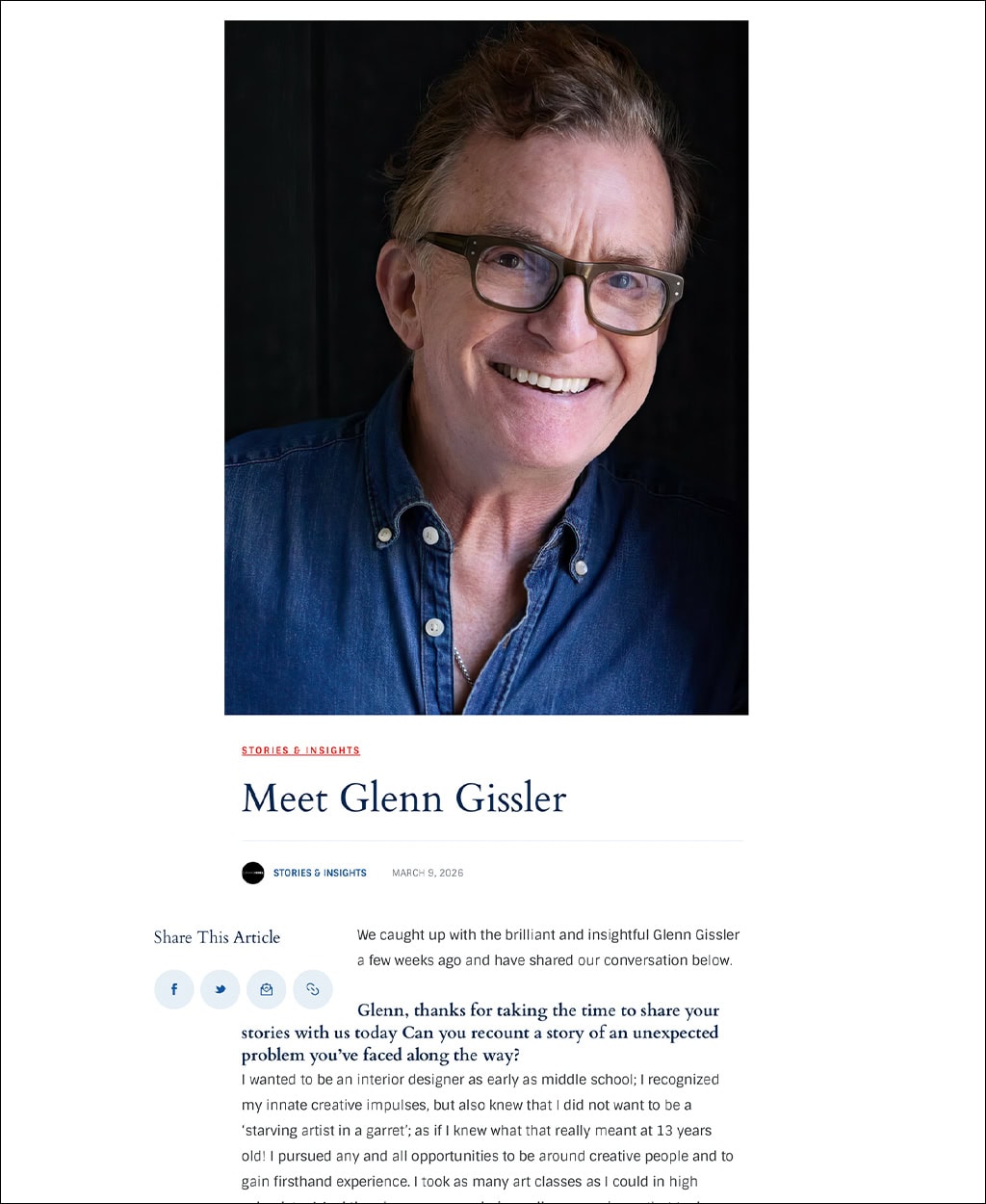
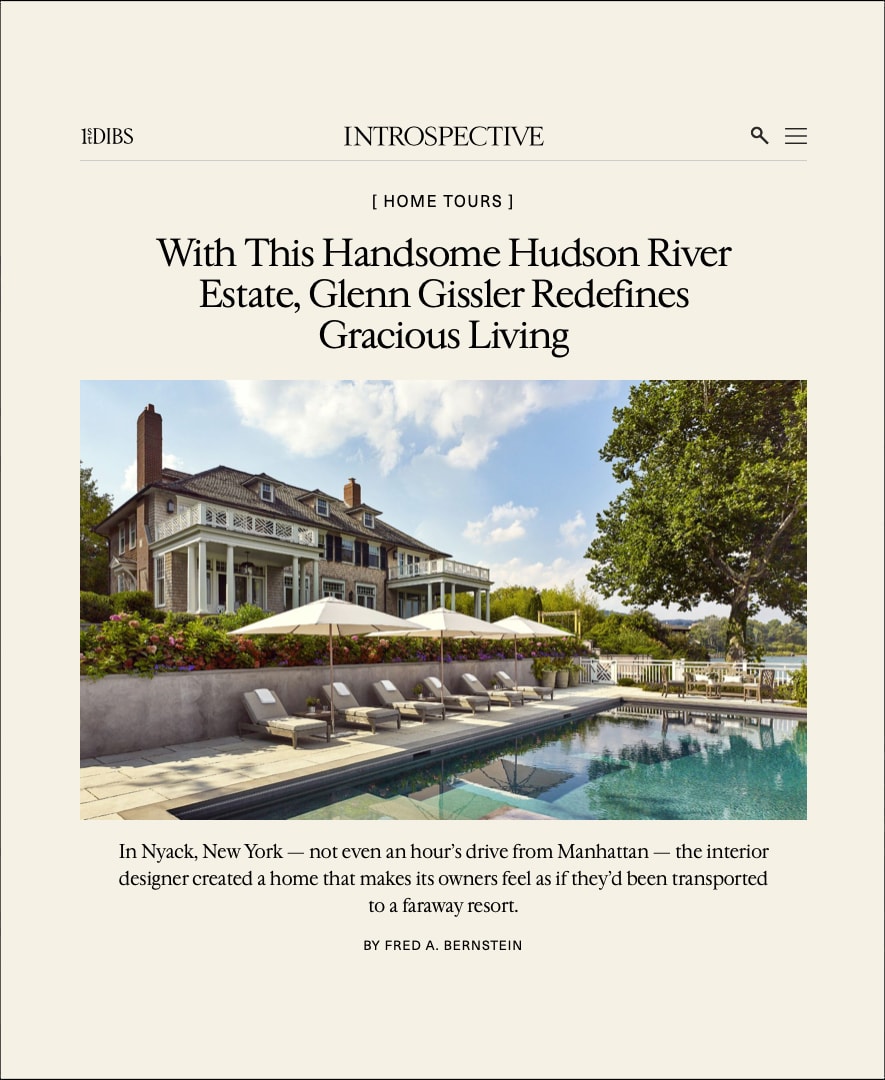
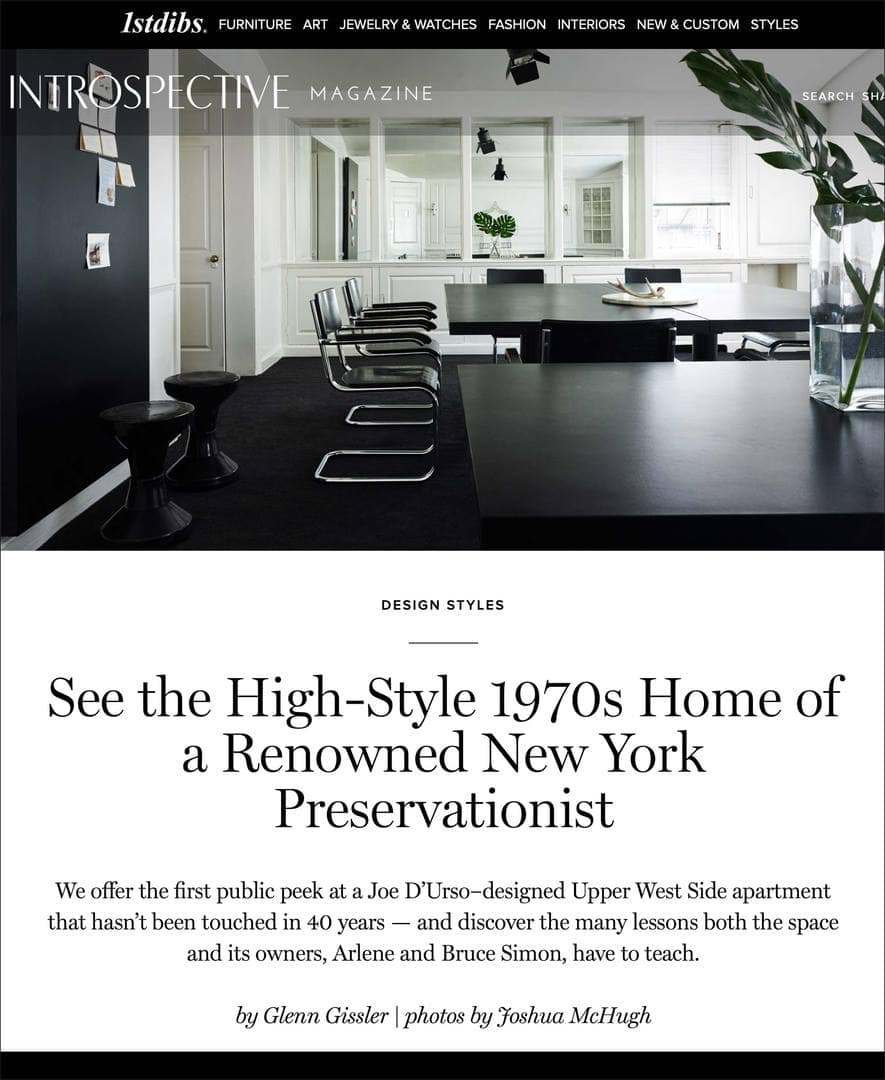
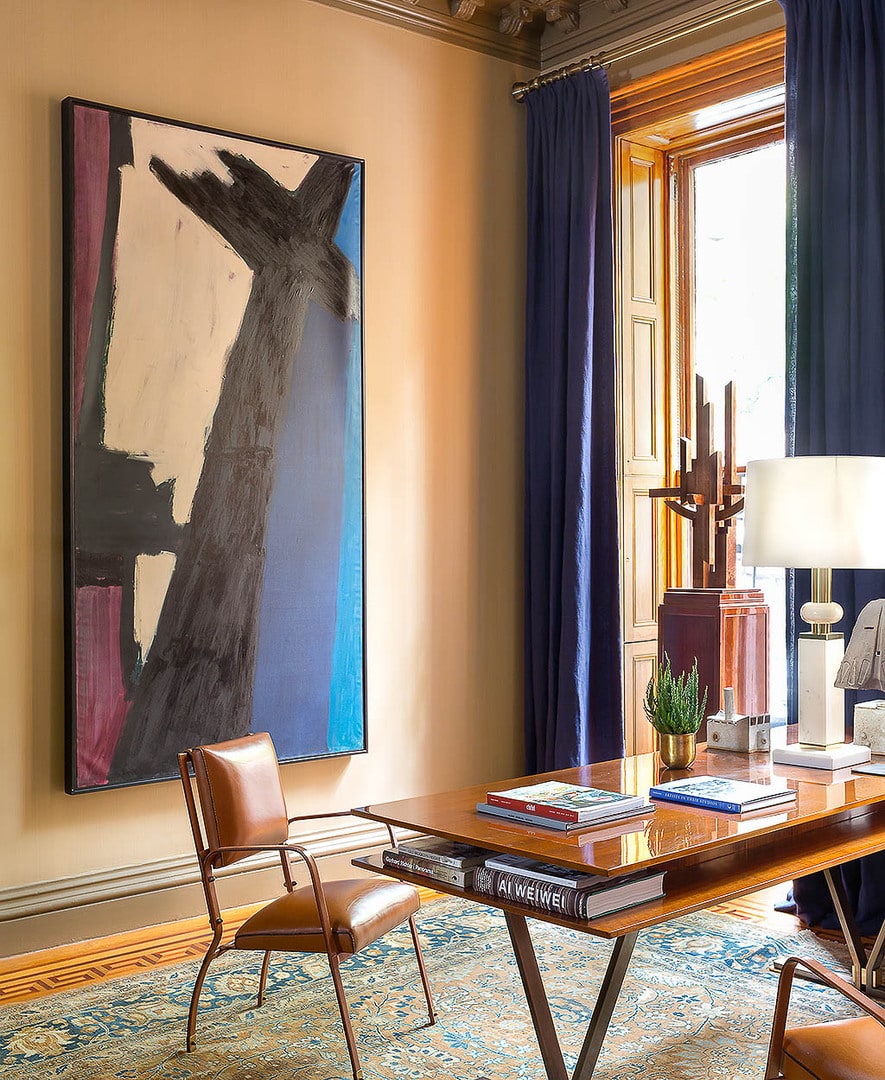
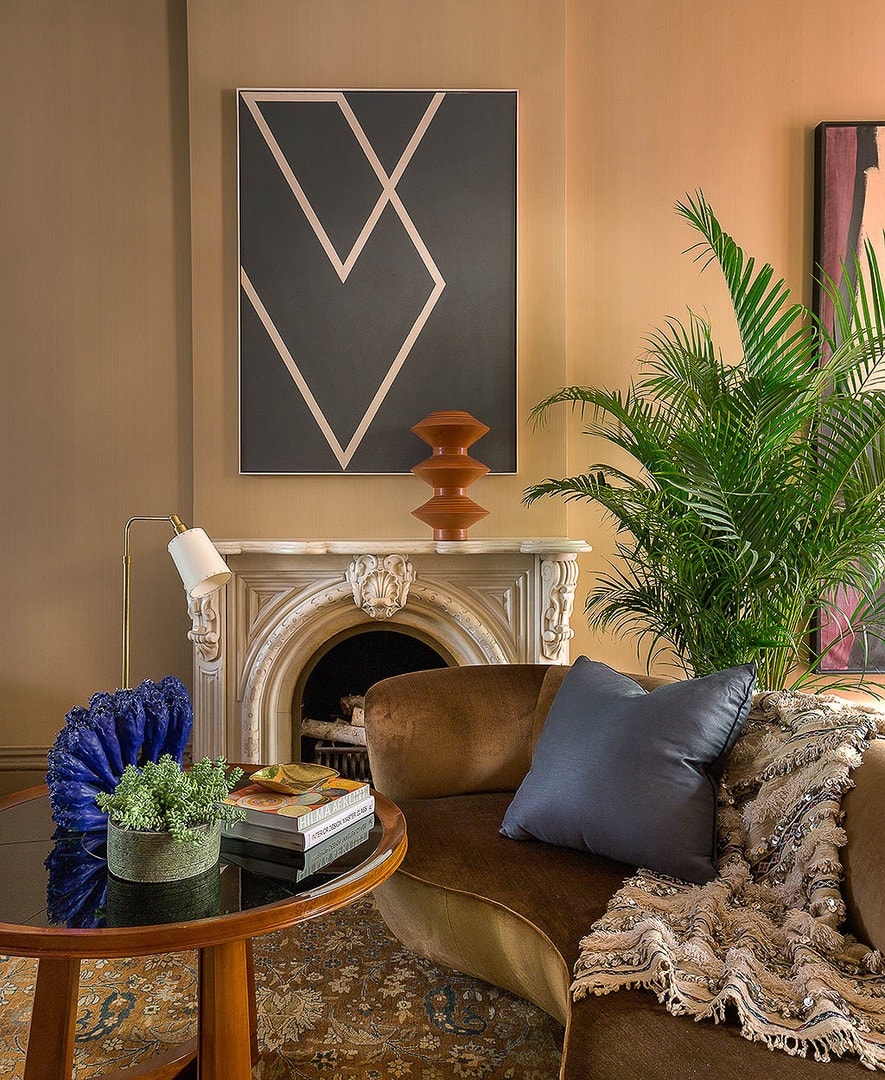
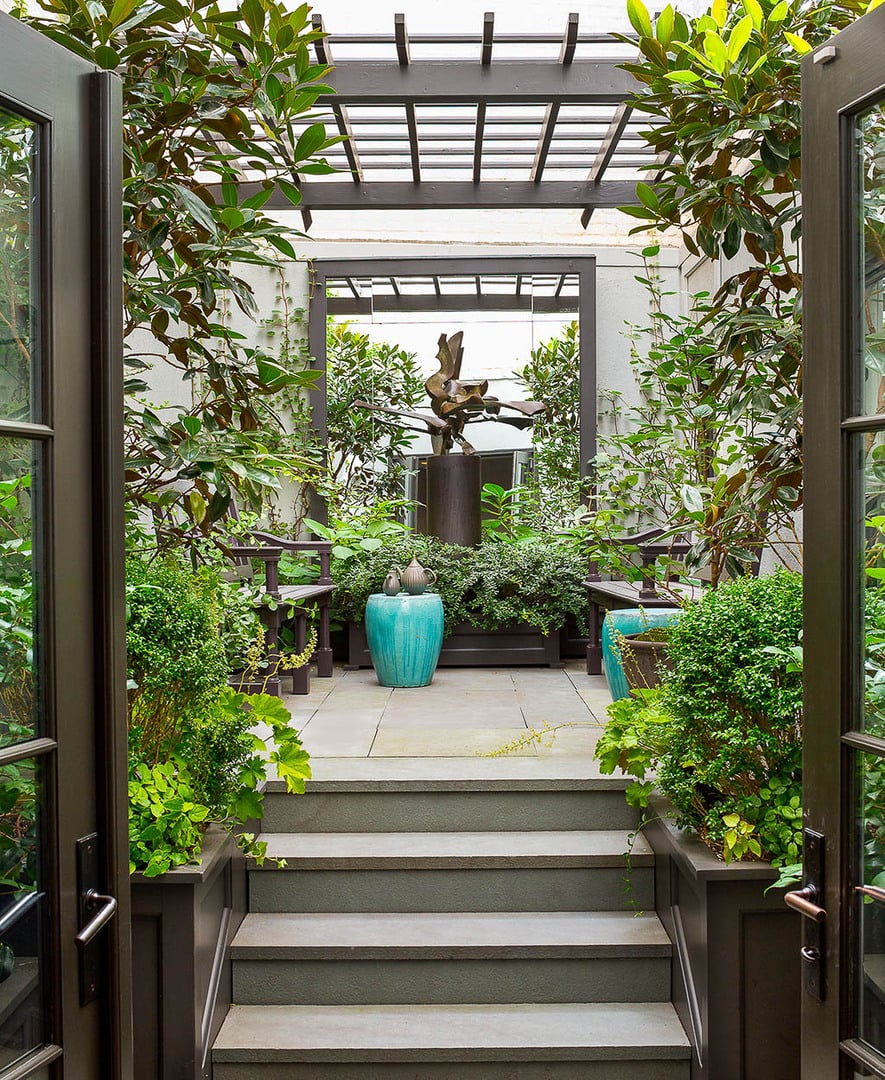
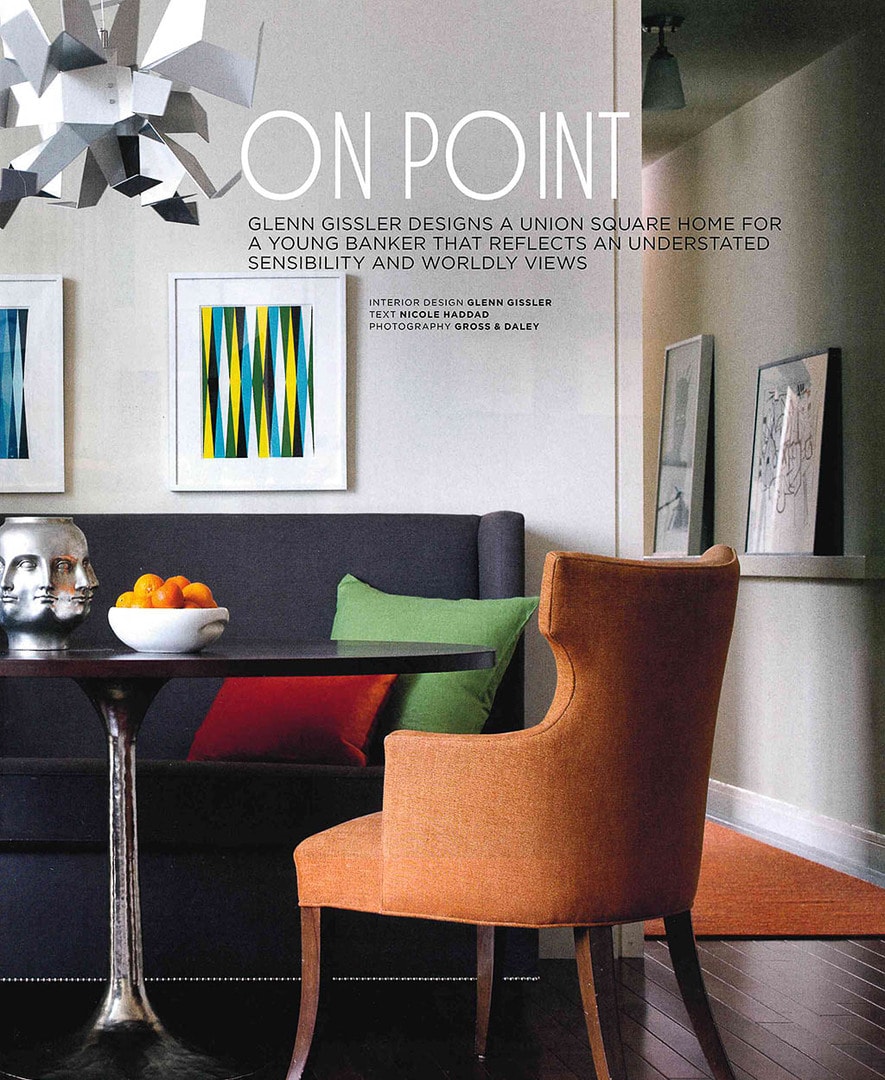
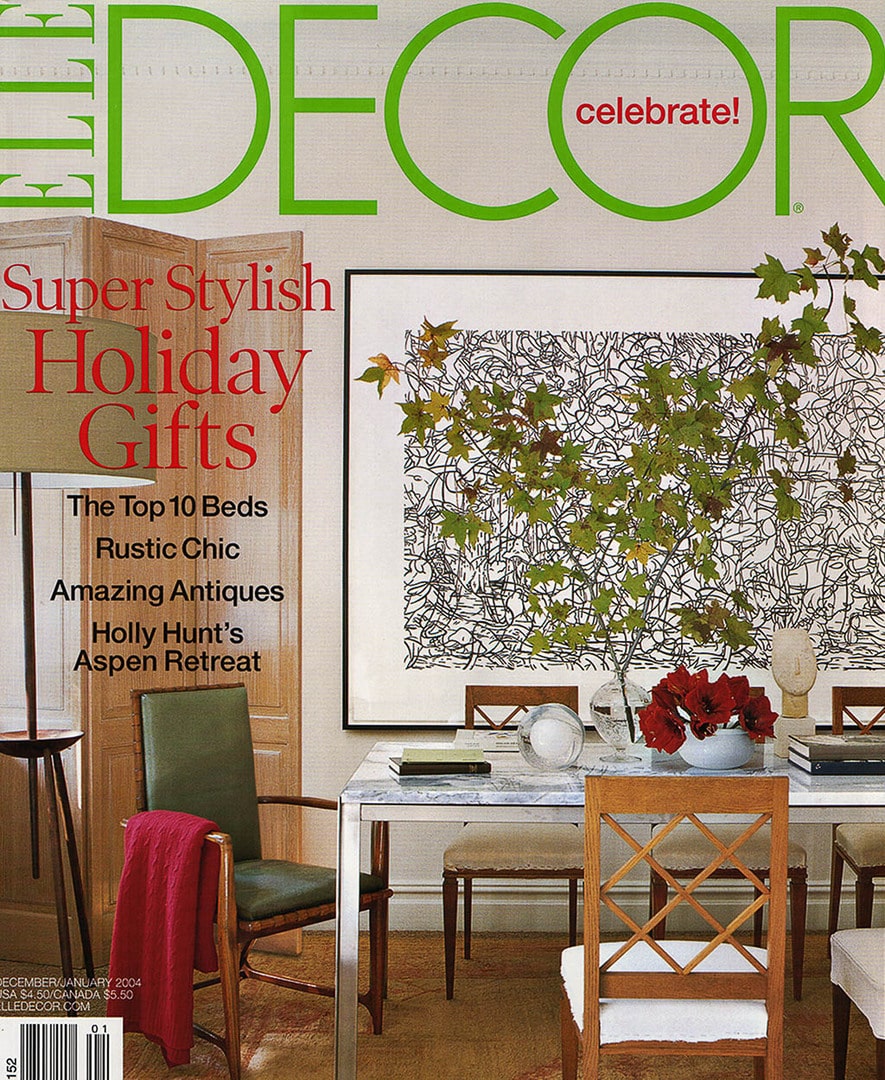
New-York–based designer Glenn Gissler combines architectural rigor, decorative arts fluency, and a deep respect for history to create residential interiors that are comfortable, refined, and rich in meaning, from Manhattan apartments to country houses.
About the Designer
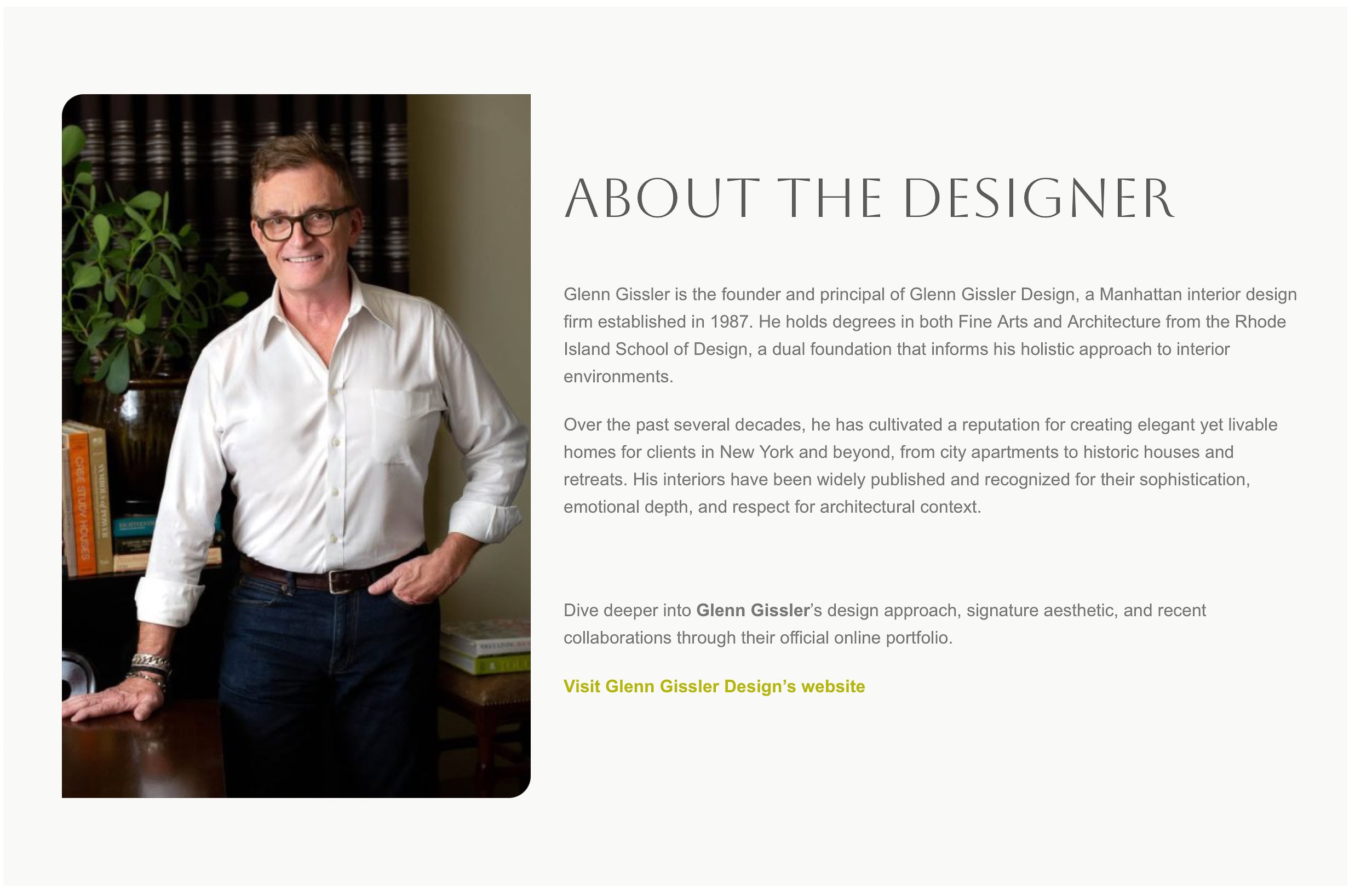
Glenn Gissler is the founder and principal of Glenn Gissler Design, a Manhattan interior design firm established in 1987. He holds degrees in both Fine Arts and Architecture from the Rhode Island School of Design, a dual foundation that informs his holistic approach to interior environments.
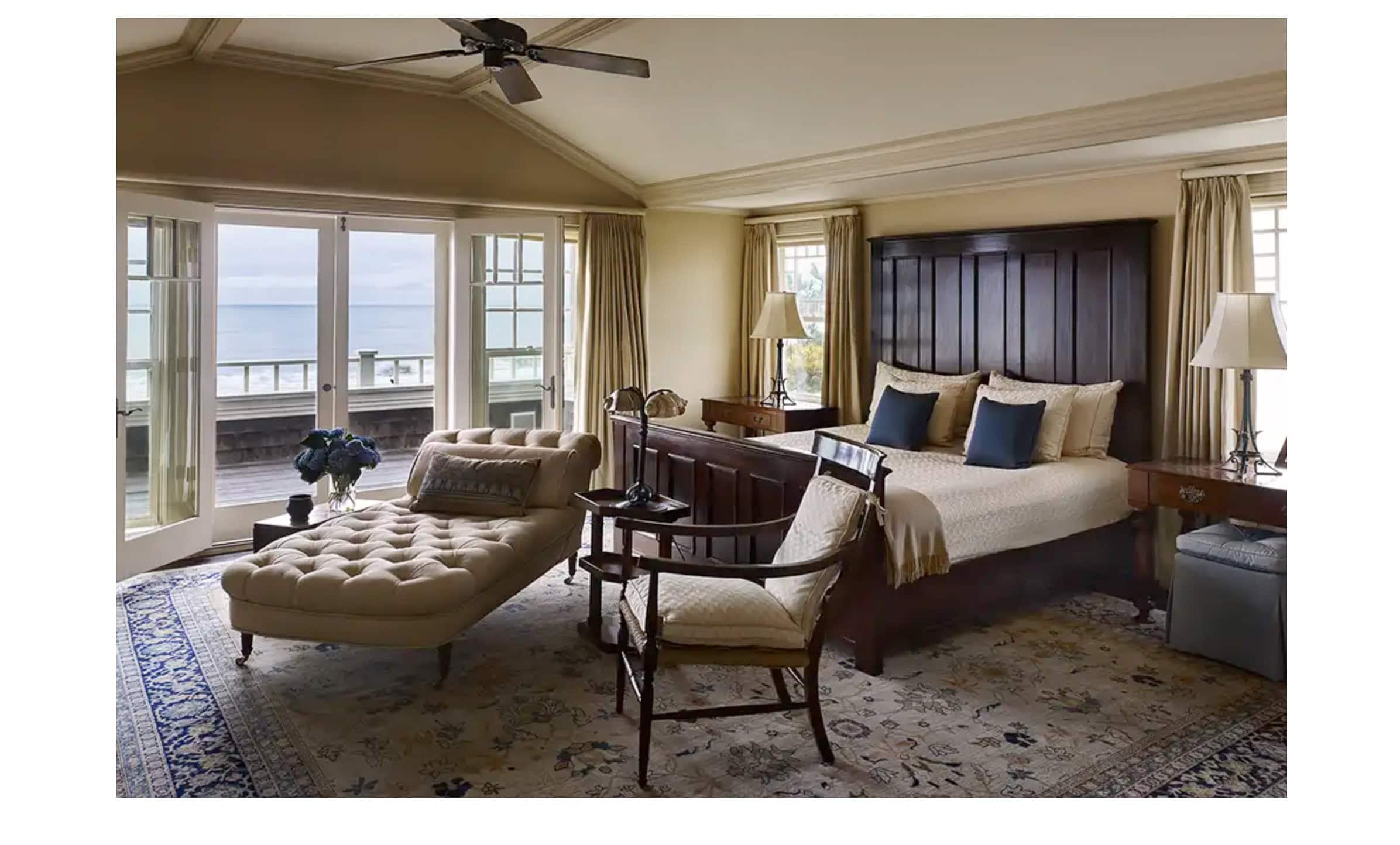
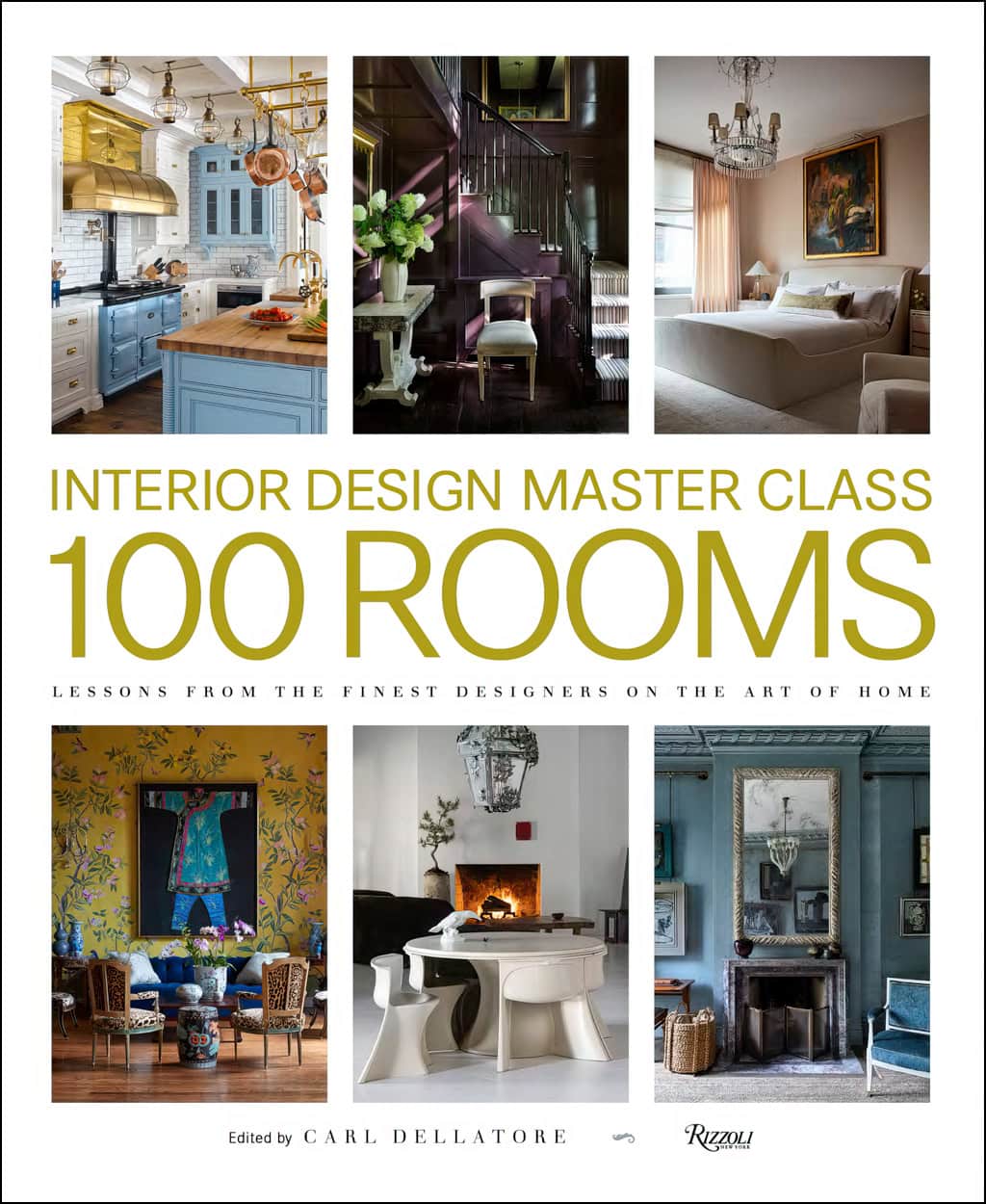
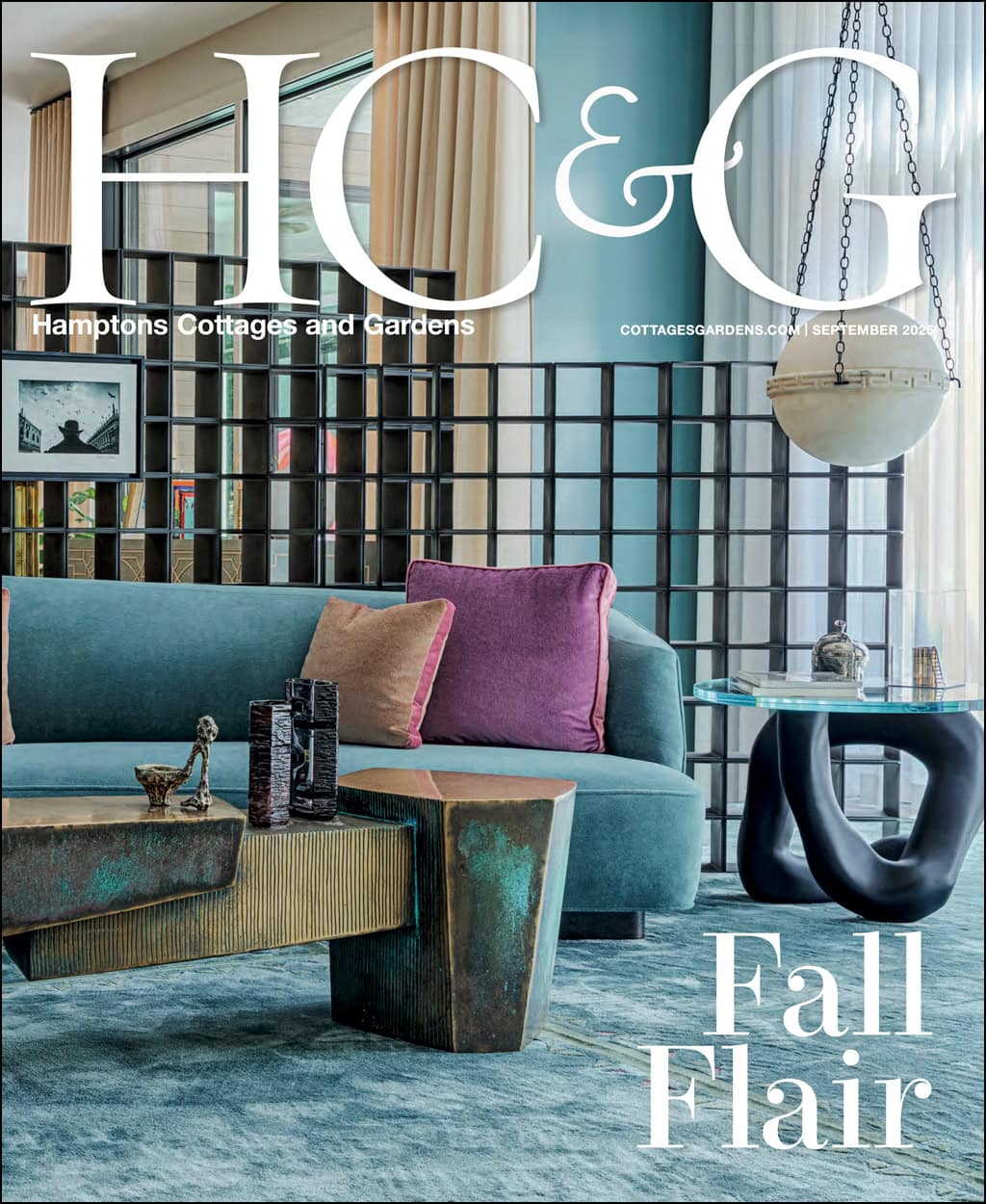
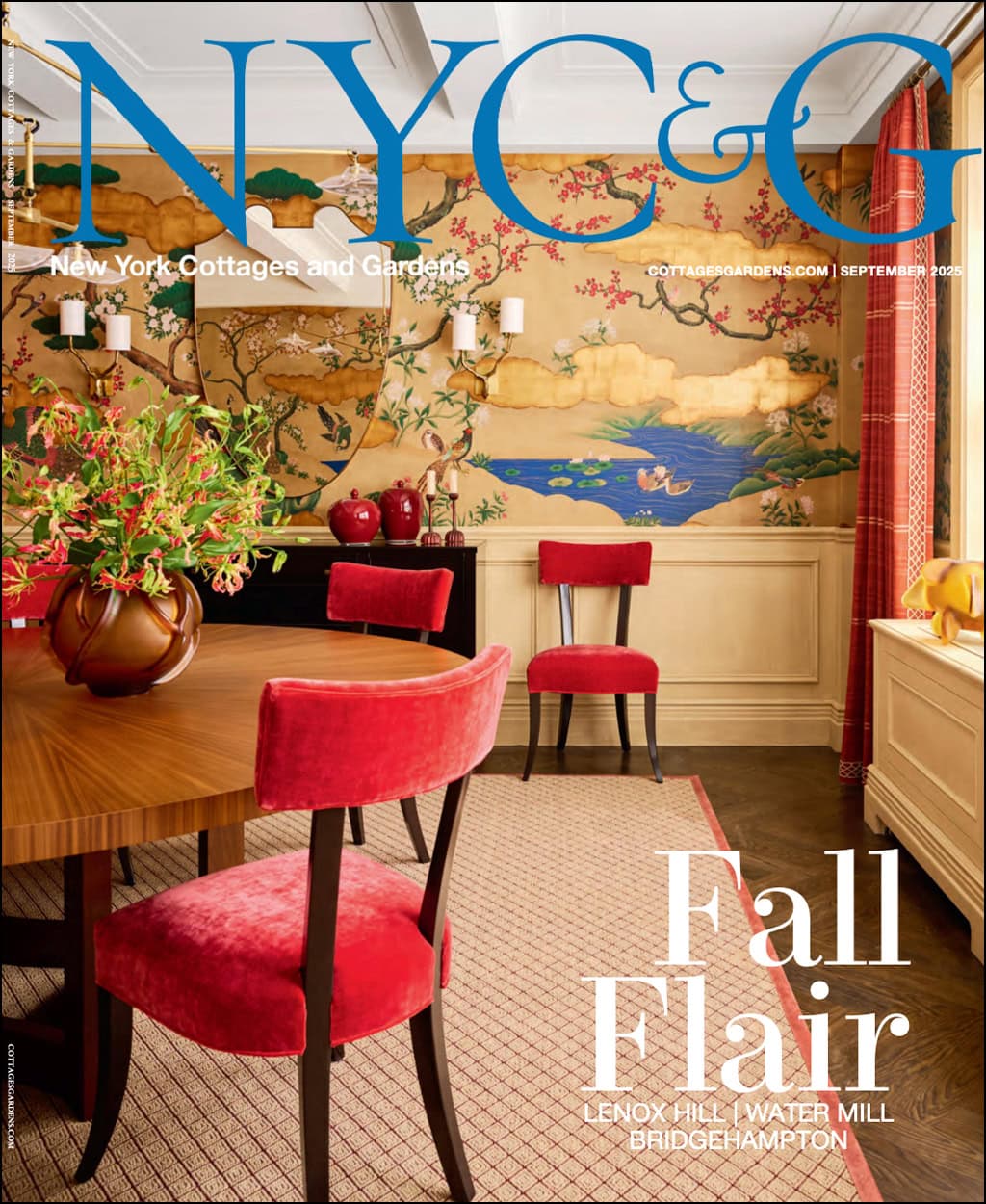
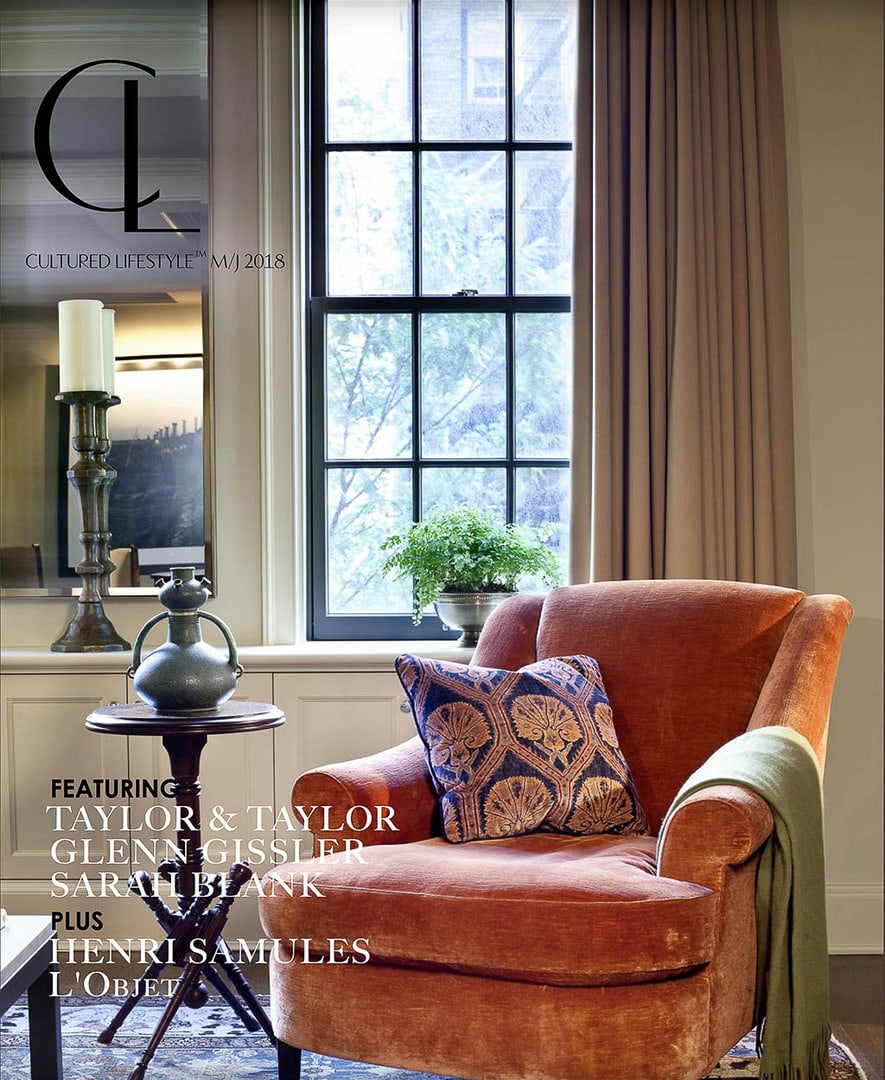
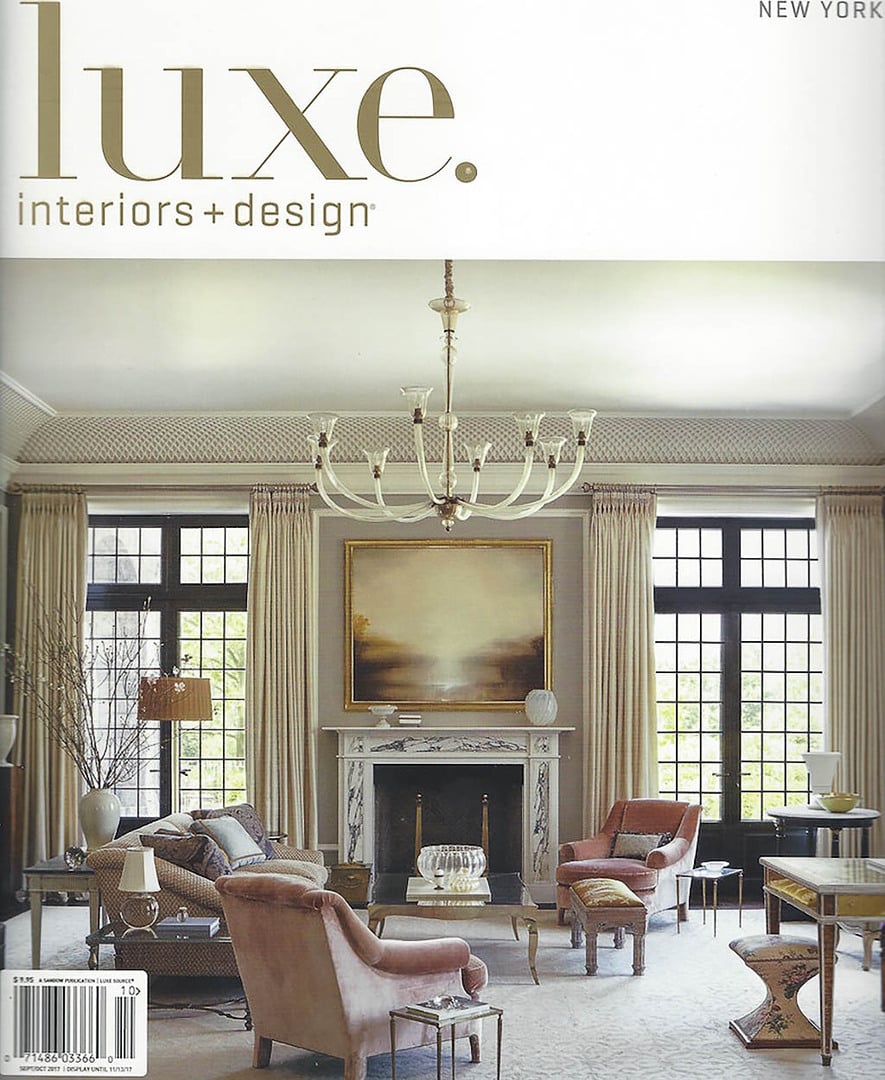
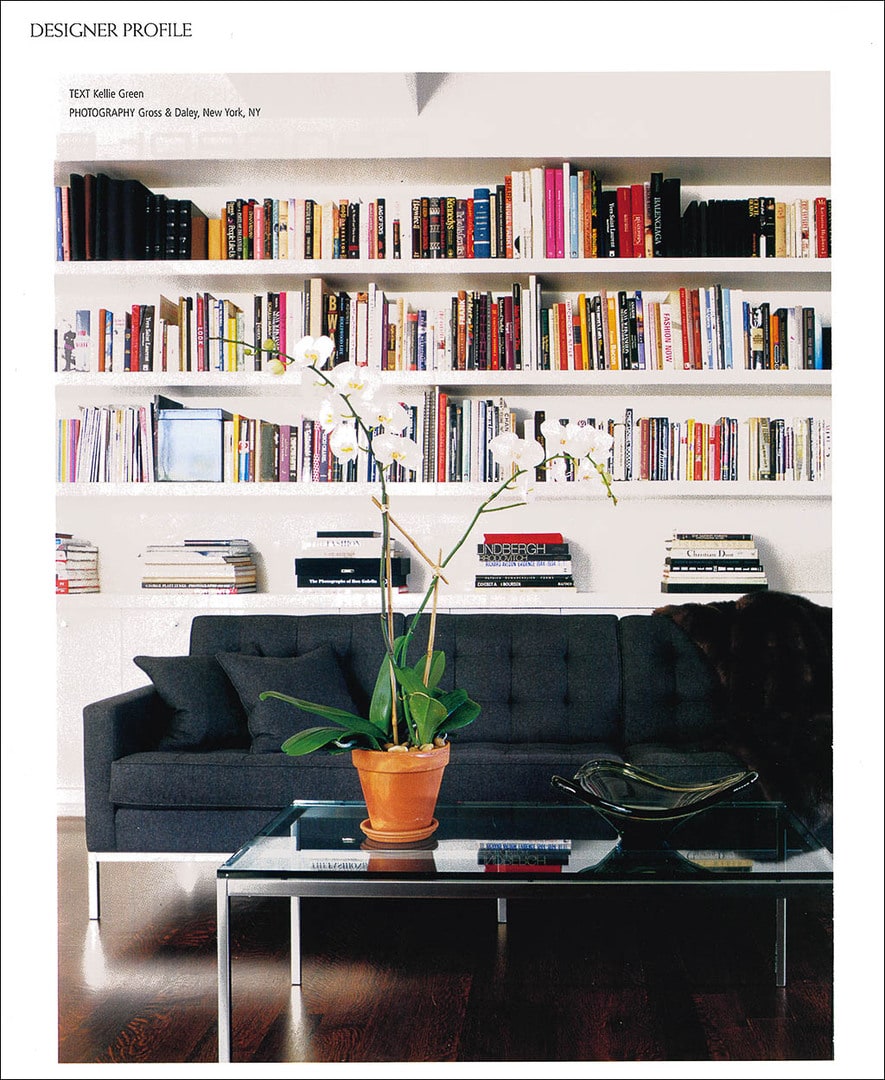
Over the past several decades, he has cultivated a reputation for creating elegant yet livable homes for clients in New York and beyond, from city apartments to historic houses and retreats. His interiors have been widely published and recognized for their sophistication, emotional depth, and respect for architectural context.
Dive deeper into Glenn Gissler’s design approach, signature aesthetic, and recent collaborations through their official online portfolio.
Design Philosophy
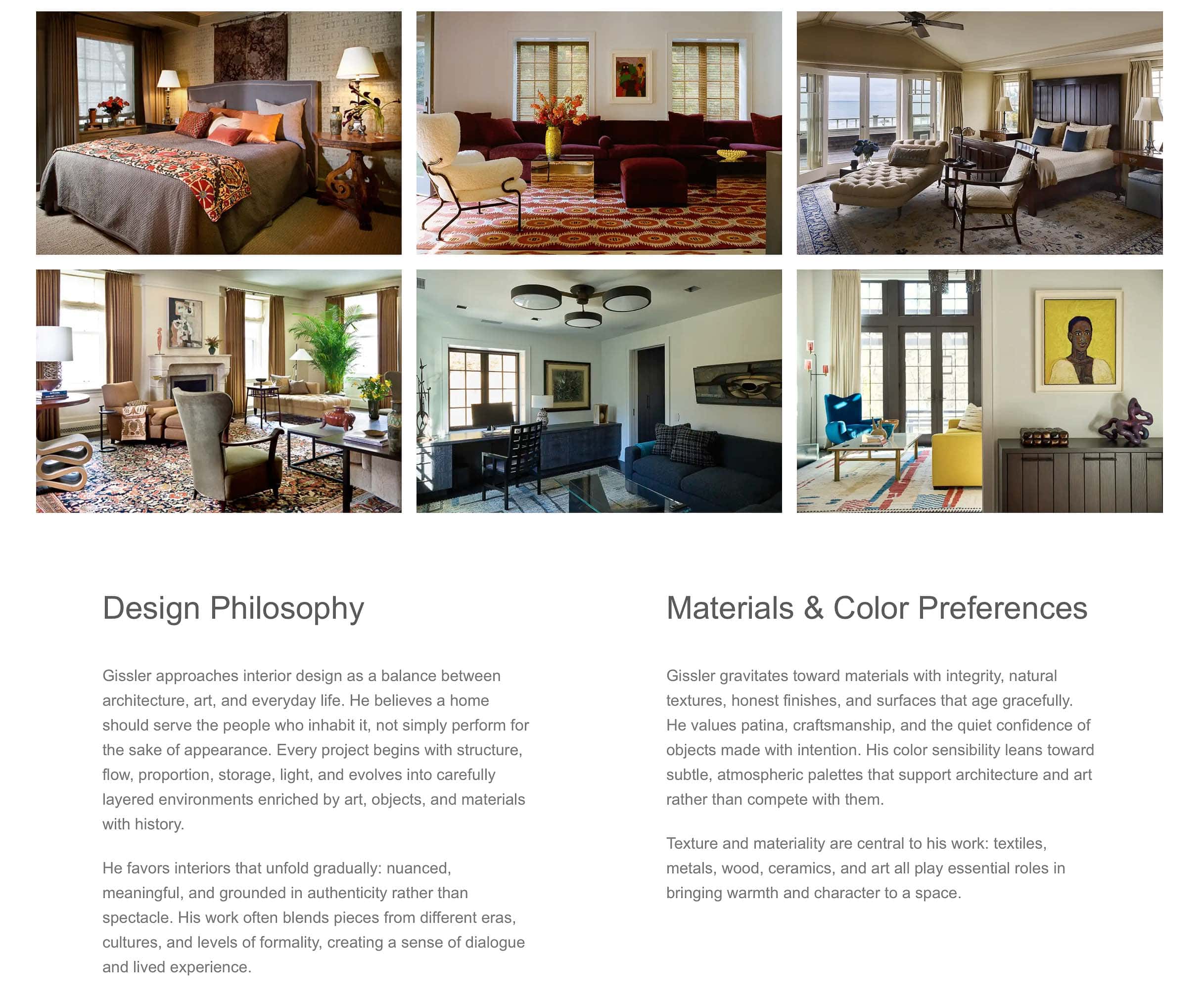
Gissler approaches interior design as a balance between architecture, art, and everyday life. He believes a home should serve the people who inhabit it, not simply perform for the sake of appearance. Every project begins with structure, flow, proportion, storage, light, and evolves into carefully layered environments enriched by art, objects, and materials with history.
He favors interiors that unfold gradually: nuanced, meaningful, and grounded in authenticity rather than spectacle. His work often blends pieces from different eras, cultures, and levels of formality, creating a sense of dialogue and lived experience.
Materials & Color Preferences
Gissler gravitates toward materials with integrity, natural textures, honest finishes, and surfaces that age gracefully. He values patina, craftsmanship, and the quiet confidence of objects made with intention. His color sensibility leans toward subtle, atmospheric palettes that support architecture and art rather than compete with them.
Texture and materiality are central to his work: textiles, metals, wood, ceramics, and art all play essential roles in bringing warmth and character to a space.
Designer Q&A: Inspiration, Process & Perspective