100 Rooms

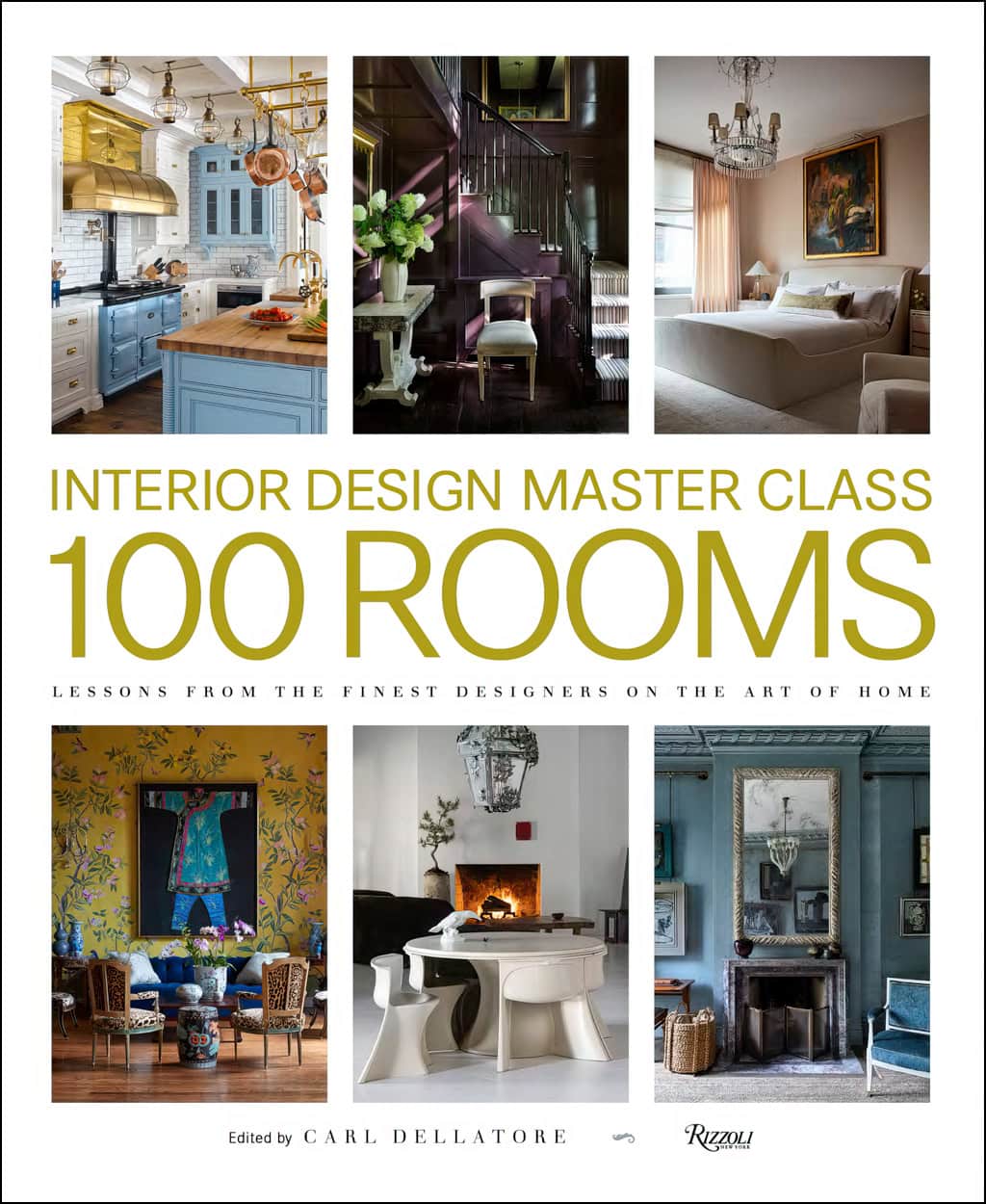
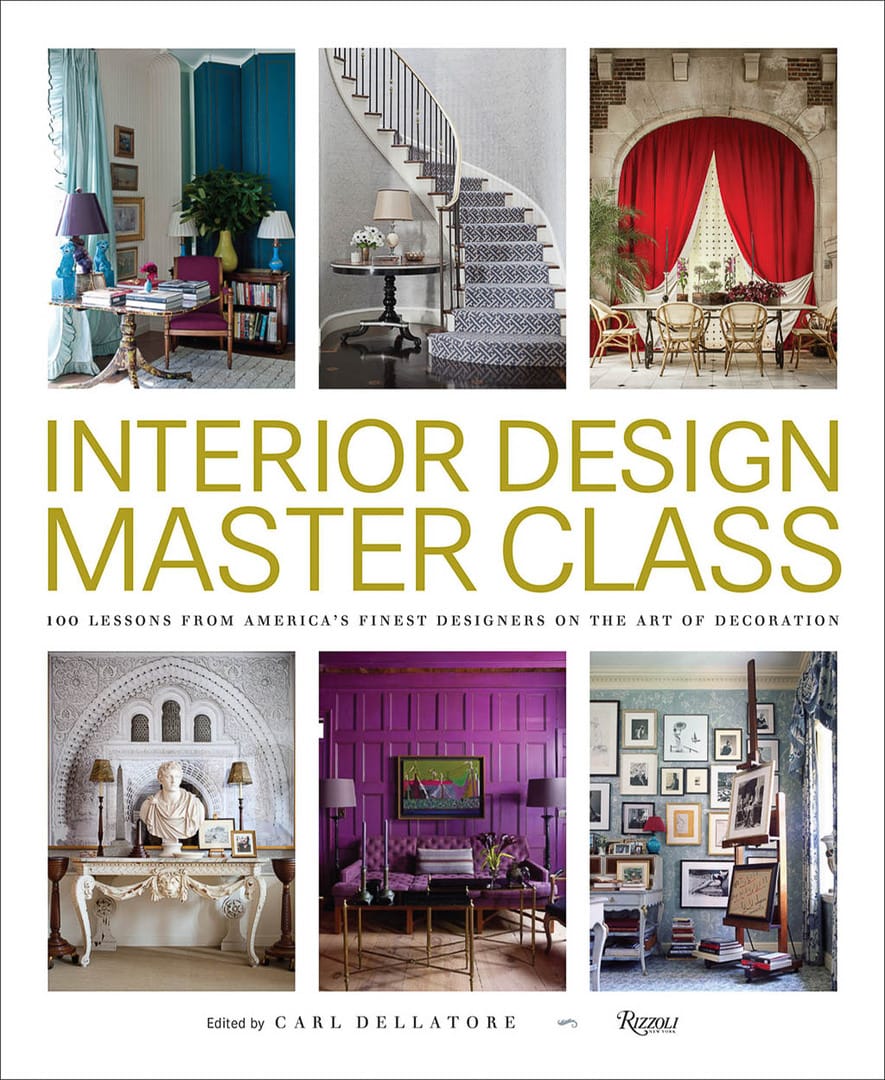
INTERIOR DESIGN MASTER CLASS:
100 Rooms

SEPTEMBER 2025
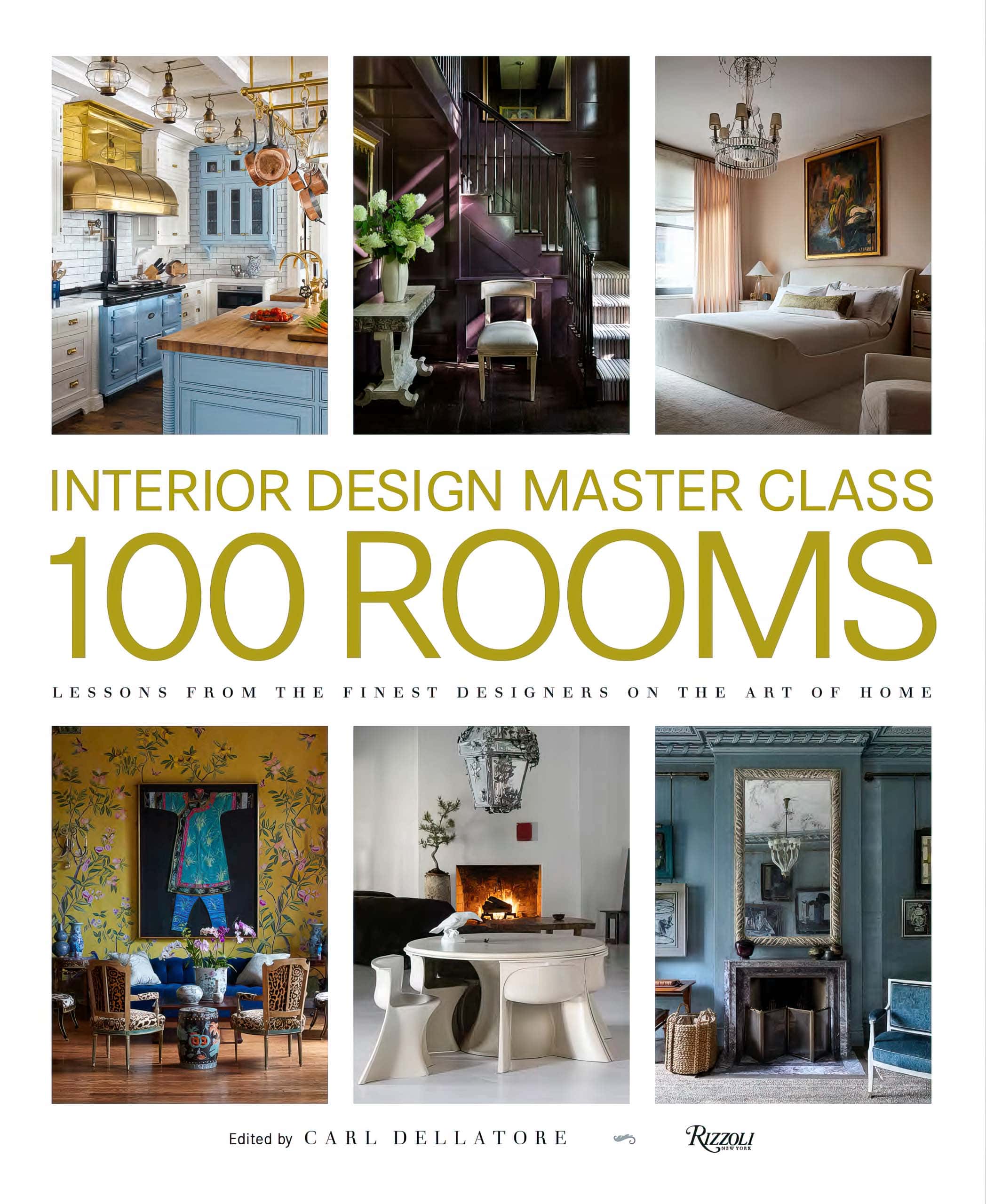
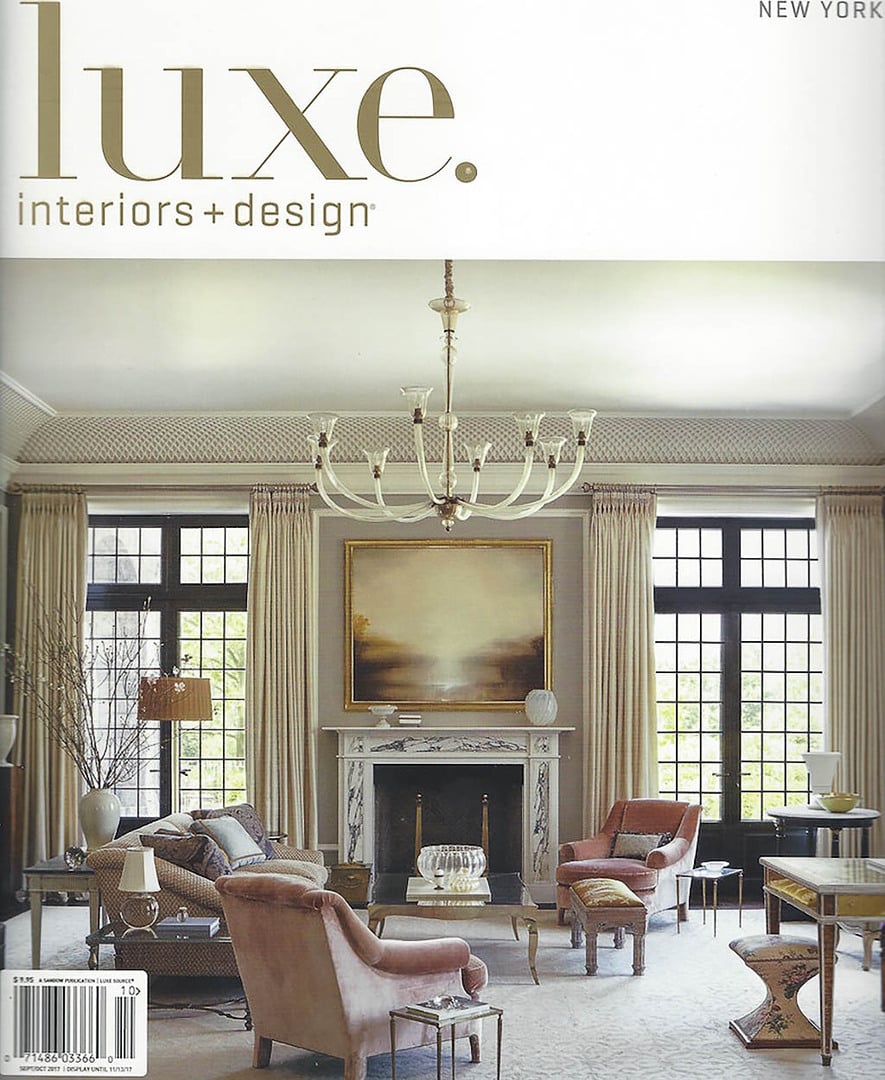
Carl Dellatore - Interior Design Master Class - 100 Rooms - Glenn Gissler - Cover

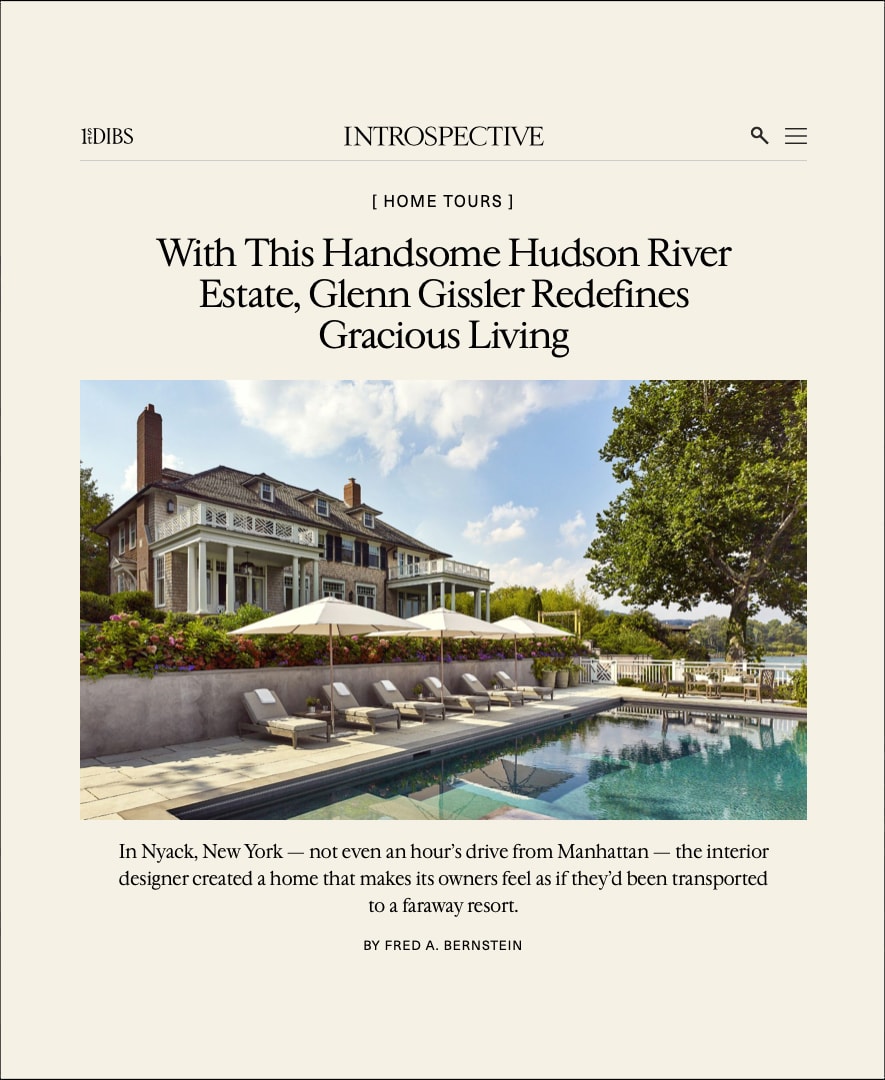
Millwork

by GLENN GISSLER
Photography: PETER MURDOCK

Originally Published in INTERIOR DESIGN MASTER CLASS: 100 Rooms

One way to make a room memorable is by installing millwork, which refers to anything made of wood that is applied to surfaces other than the floors of a home. As a rule, millwork is architectural and permanent. It includes moldings, paneling, star banisters, cabinetry, and window and doorframes. Functionally, millwork addresses specific construction issues. It can smooth transitions from laster walls to wood floors and from walls to ceilings. It also helps to integrate openings in walls, such as doorways and windows. Kitchen, dressing room, and bat cabinetry are also considered millwork when either fashioned from wood on-site or crafted in workshops and then transported to a home.

Millwork can employ shadows and material contrast to add interest to an interior or, in the case of more minimalistic approaches, limit shadows to make interior surfaces appear more planar.

In Edith Wharton’s seminal volume on decoration, The Decoration of Houses, she speaks broadly about the importance of simplicity and restraint in millwork. She advocates for appropriately scaled designs that enhance architectural harmony with elegant proportions and reinforce hierarchies of rooms.

Millwork comes in a wide range of styles, from classical and orange to modern and minimalist. Traditional styles often feature intricate carvings, moldings, and detailed paneling. (Looking for more on traditional designs? Check out the essential references Traditional American Rooms: Celebrating Style, Craftsmanship, and Historic Woodwork and Roberts’ Illustrated Millwork Catalog: A sourcebook of Turn-of-theCentury Architectural Woodwork.)

In contrast, contemporary millwork favors clean lines, smooth surfaces, and subtle geometric patterns. It focuses on functionality and simplicity. Modern interior architecture can be distinguished from other styles by its lack of millwork or an attempt to have the millwork visually disappear.

Transitional millwork combines strategies from traditional design with cleaner, more modern sensibilities to create the types of spaces that suit many people today.

Millwork surfaces may be sealed or stained to take advantage of wood’s natural characteristics, or they may be painted. The choice largely is based on the type of wood used and the intended decorative effect and function. Invest in high-quality materials and skilled craftsmanship, as millwork is a long-term feature that adds value and aesthetic appeal to a home.
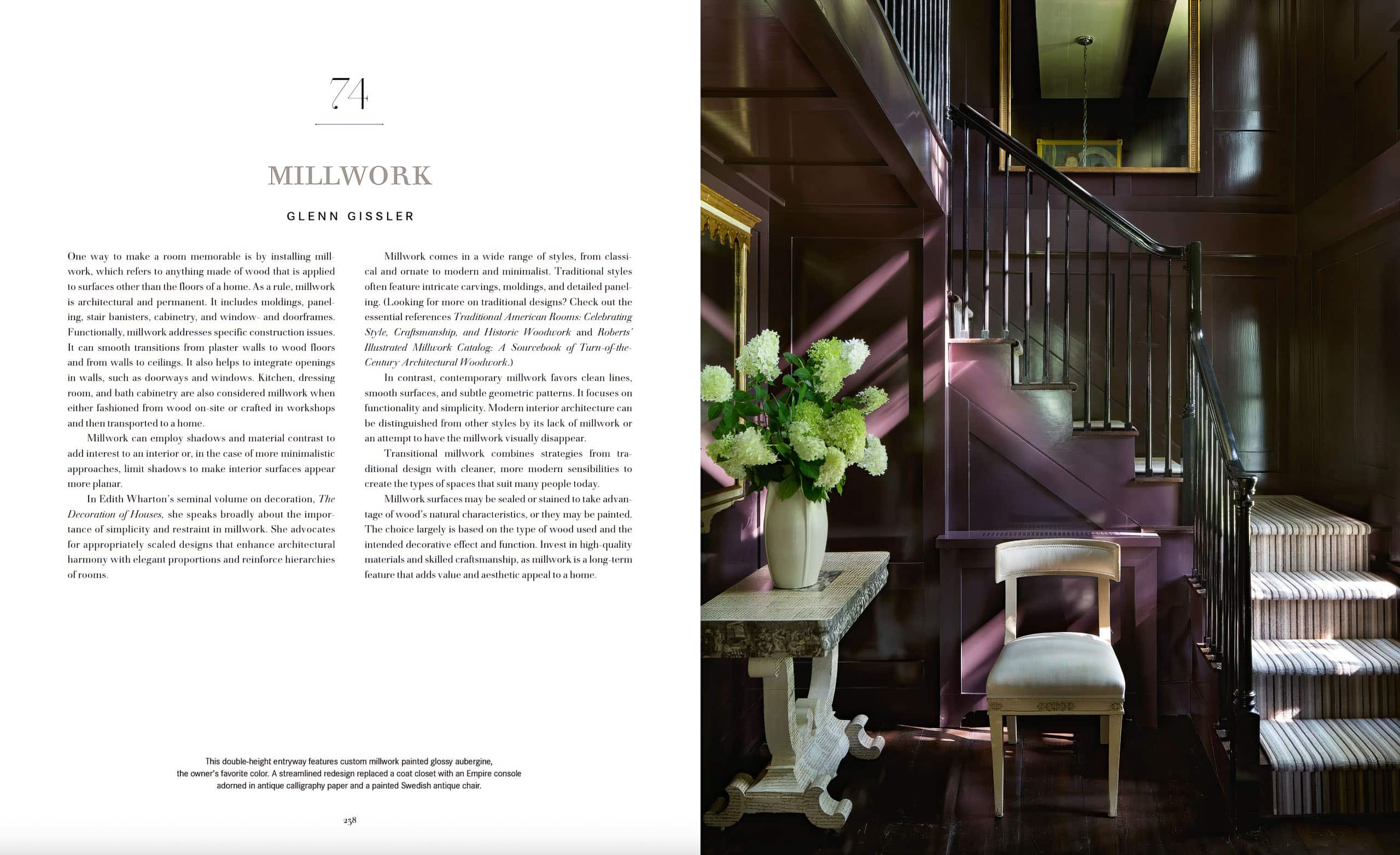
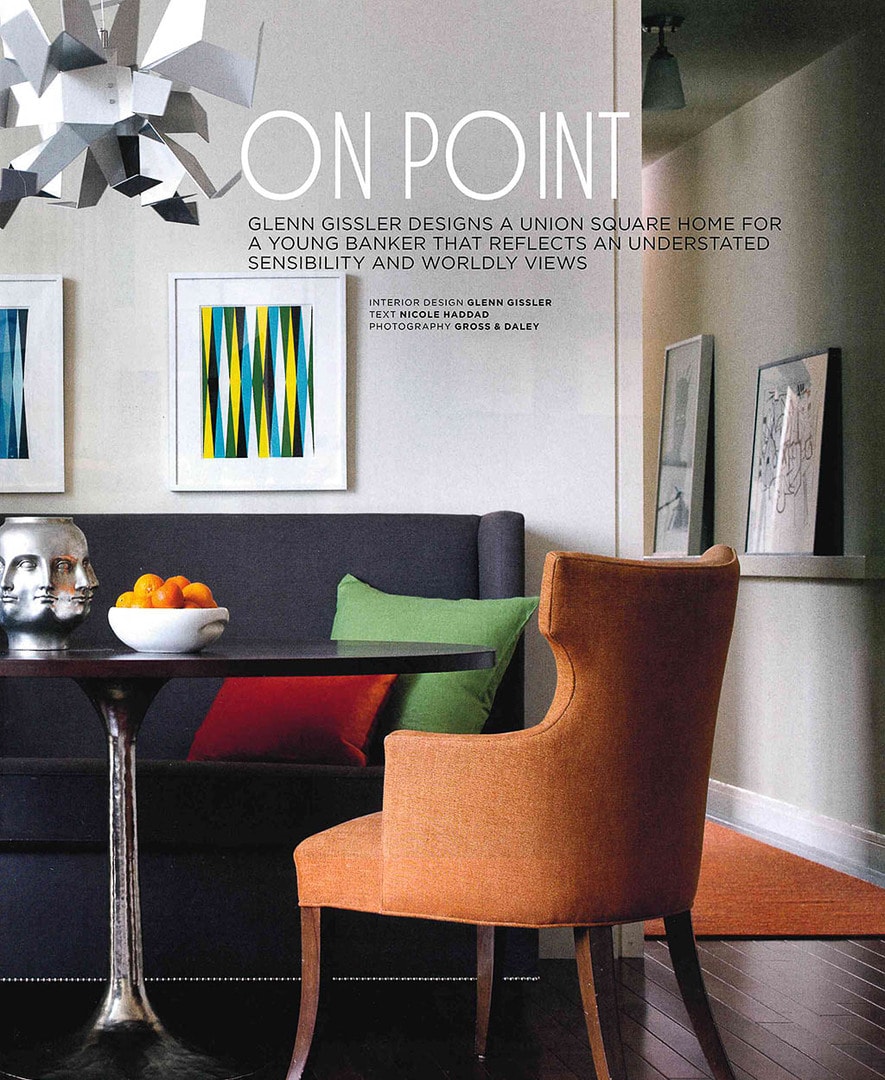
Carl Dellatore - Interior Design Master Class - 100 Rooms - Glenn Gissler - Feature

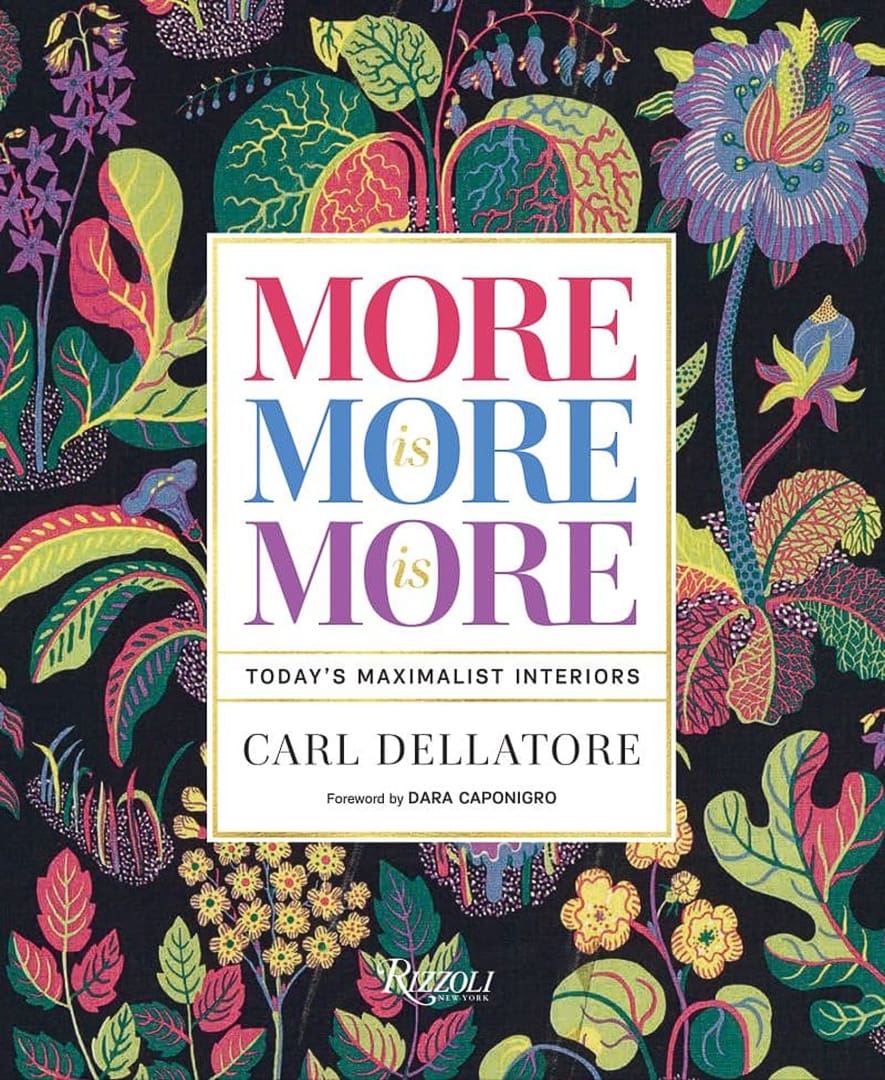
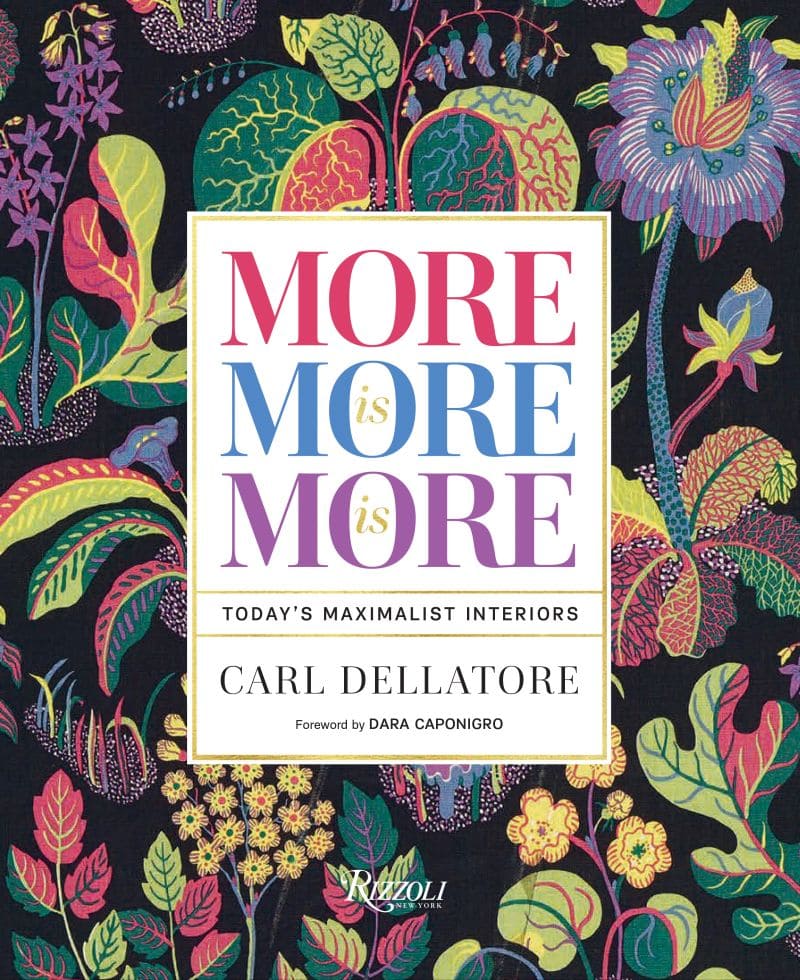
More is More is More

More is More is More

OCTOBER 2022

More is More is More - Today's Maximalist Interiors - Carl Dellatore

More is More is More:

Today’s Maximalist Interiors

by Carl Dellatore
Photography by Gross & Daley

Gissler-West Village Maisonette-Dining Room- New York Interior Designer

“This graciously scaled dining room in Greenwich Village had everything one might want in a proper dining room-but no window. That limitation became the germ of an idea. We commissioned artist Kevin Paulsen to paint a fantastical all -encompassing landscape mural where history meets contemporary imagination. The result is a room that offers more of a view than a mere window could ever provide.”


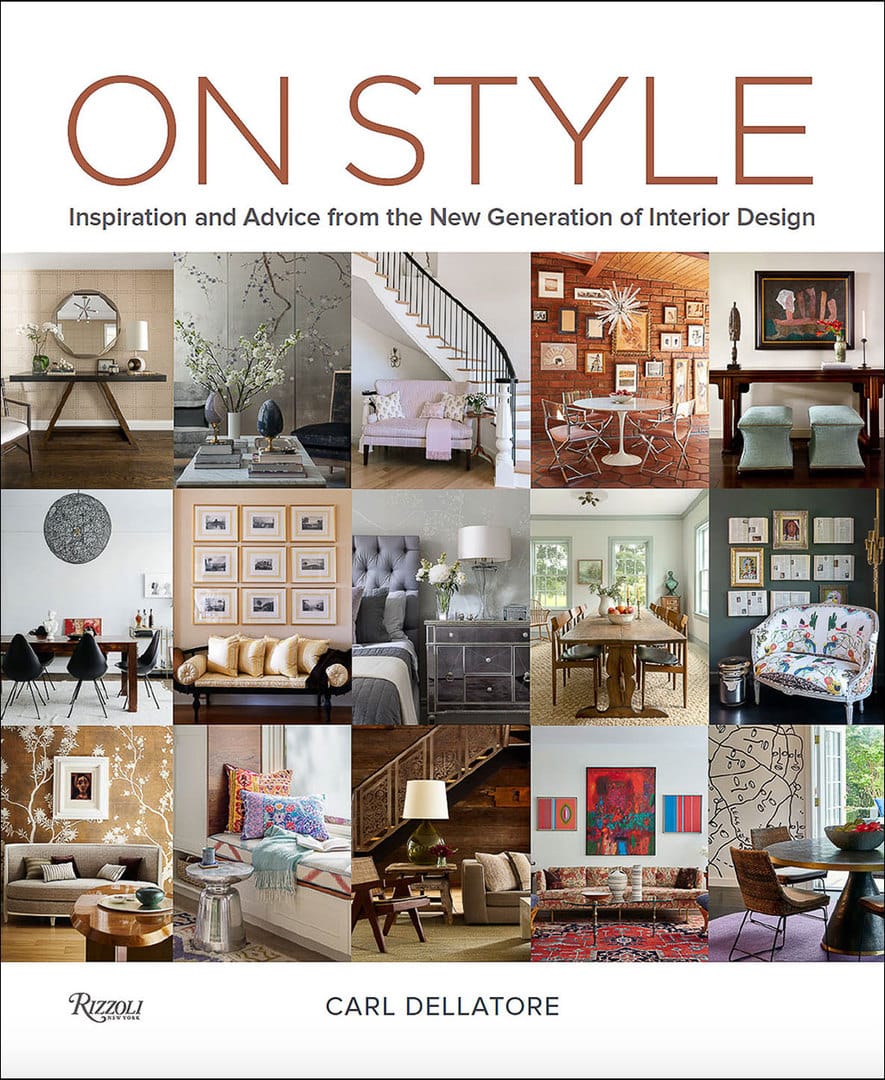
On Style

On Style

SEPTEMBER 2019

On Style:

Inspiration and Advice from a New Generation of Interior Design

by Carl Dellatore
Photography by Gross & Daley

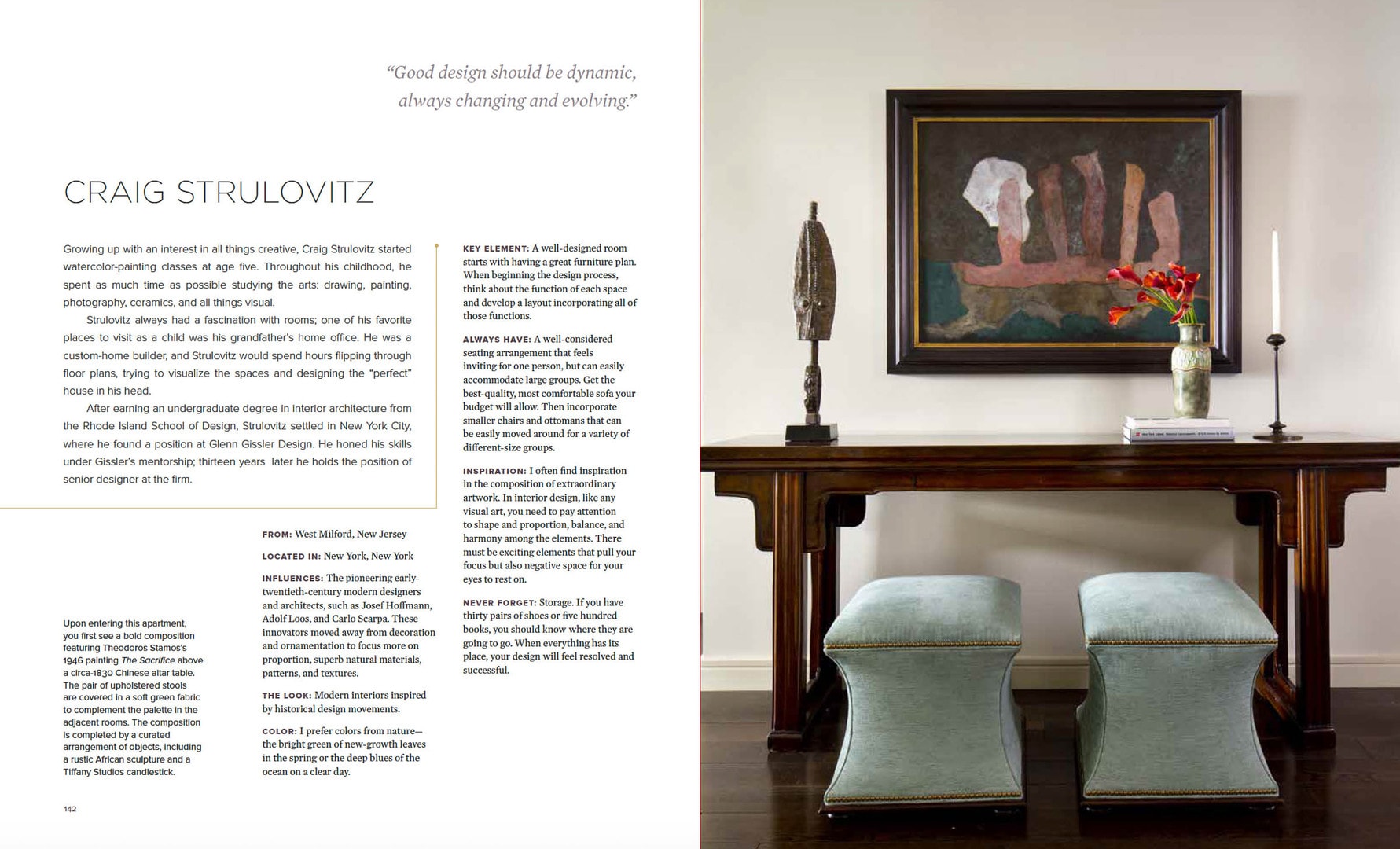
CRAIG STRULOVITZ

Growing up with an interest in all things creative, Craig Strulovitz started watercolor-painting classes at age five. Throughout his childhood, he spent as much time as possible studying the arts: drawing, painting, photography, ceramics, and all things visual.

Strulovitz always had a fascination with rooms; one of his favorite places to visit as a child was his grandfather’s home office. He was a custom-home builder, and Strulovitz would spend hours flipping through floor plans, trying to visualize the spaces and designing the “perfect” house in his head.

After earning an undergraduate degree in interior architecture from the Rhode Island School of Design, Strulovitz settled in New York City, where he found a position at Glenn Gissler Design. He honed his skills under Gissler’s mentorship; thirteen years later he holds the position of senior designer at the firm.


“Good design should be dynamic, always changing and evolving.”

Upon entering this apartment, you first see a bold composition featuring Theodoros Stamos’s 1946 painting The Sacrifice above a circa-1830 Chinese altar table. The pair of upholstered stools are covered in a soft green fabric to complement the palette in the adjacent rooms. The composition Is completed by a curated arrangement of objects, Including a rustre African sculpture and a Tiffany Studios candlestick.


FROM: West Milford, New Jersey

LOCATED IN: New York, New York

INFLUENCES: The pioneering early­ twentieth-century modern designers and architects, such as Josef Hoffmann, Adolf Loos, and Carlo Scarpa. These innovators moved away from decoration and ornamentation to focus more on proportion, superb natural materials, patterns, and textures.

THE LOOK: Modern interiors inspired by historical design movements.

COLOR: I prefer colors from nature­–the bright green of new-growth leaves in the spring or the deep blues of the ocean on a clear day.

KEY ELEMENT: A well-designed room starts with having a great furniture plan. When beginning the design process, think about the function of each space and develop a layout incorporating all of those functions.

ALWAYS HAVE: A well-considered seating arrangement that feels inviting for one person, but can easily accommodate large groups. Get the best-quality, most comfortable sofa your budget will allow. Then incorporate smaller chairs and ottomans that can be easily moved around for a variety of different-size groups.

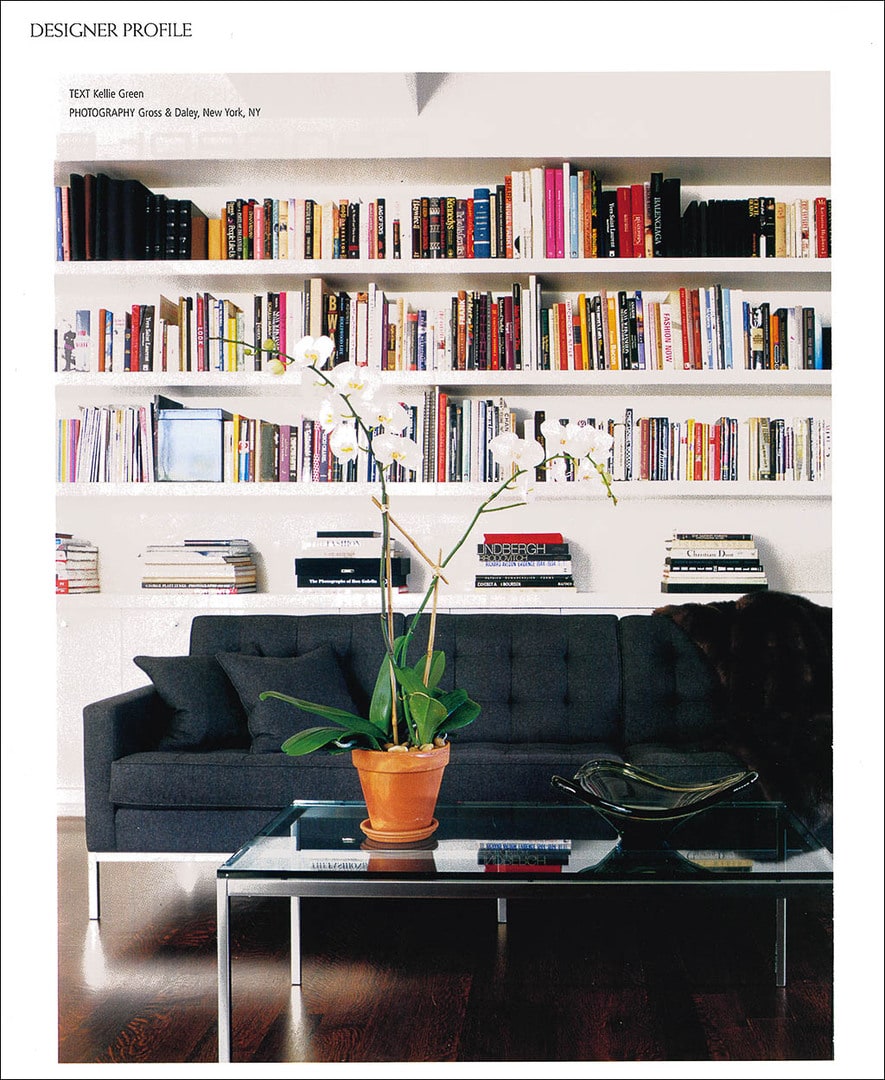
INSPIRATION: I often find inspiration in the composition of extraordinary artwork. In interior design, like any visual art, you need to pay attention to shape and proportion, balance, and harmony among the elements. There must be exciting elements that pull your focus but also negative space for your eyes to rest on.

NEVER FORGET: Storage. If you have thirty pairs of shoes or five hundred books, you should know where they are going to go. When everything has its place, your design will feel resolved and successful.


Opposite: The open-plan dining area has a large mirror to further expand the feeling of space. Above the dining table hangs an organic Lindsey Adelman Branching Bubble chandelier to contrast with the square-edged furniture in dark-stained walnut.

Above: The large and vibrant painting by Larry Poons above the custom sofa adds an element of surprise to the room’s neutral palette. The sofa is flanked by a pair of 1950s Italian lamps with an ombré glaze.

Right: To create a distinction between spaces. the family room was painted a soft green, complementing the background color of prints by Jo Baer on the walls. A white Nelson Saucer pendant adds a rich luminosity to the space.